Taliban Leader Emphasizes Expanding Religious Education to Remote Mountains and Deserts
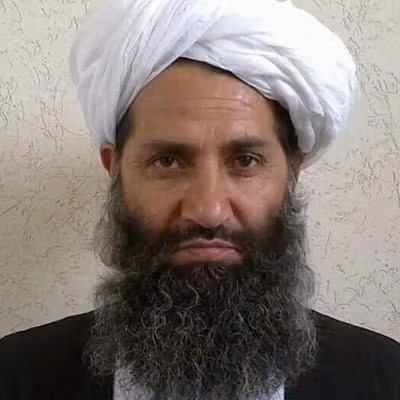
The spokesperson for the Taliban administration has announced that Hibatullah Akhundzada, during a cabinet meeting held in Kandahar, stressed the “proper” implementation of the Sharia system and full enforcement of his directives. He urged cabinet members to extend religious education throughout the country, including the “mountains and deserts.”
According to details released on Saturday by Hamdullah Fetrat, the deputy spokesperson of the Taliban administration, the meeting was chaired by Hibatullah Akhundzada and covered discussions on 11 topics. Reliable sources in Kandahar also reported that the meeting took place on Wednesday and that the Prime Minister of the Taliban administration was in attendance.
Addressing the ministers during the meeting, the Taliban leader said: “You are now members and pillars of the Islamic system; teach religious knowledge and correct beliefs to your subordinates and the people; weakness in deeds stems from weakness in belief; bring religious knowledge to the mountains and deserts.” He emphasized that the strength of the Islamic system comes through the dissemination of religion.
Hibatullah Akhundzada also instructed cabinet members to carefully study his orders, make full efforts to implement them, and explain their importance to the public. He stated that ministers themselves must fully obey these directives and supervise the performance of their subordinates.
The Taliban leader further added that cabinet members must “revive” religion and familiarize the people with Sharia law and the Islamic system. He noted that every era is transient and officials must leave behind “good principles, sound regulations, history, and superior ethics” for future generations.
The deputy spokesperson of the Taliban administration mentioned that the meeting also made decisions regarding the delivery of services in education, strengthening economic and political sectors, and a number of administrative, economic, and social issues. However, the details of these decisions have not yet been clearly shared with the public.
While the Taliban leader emphasizes expanding religious education and enforcing moral commands, critics have consistently called for greater transparency in decision-making and a balanced focus on fundamental citizen needs, including quality education, employment, and public services across the country.