Russia Calls for Revival of Shanghai Cooperation Organization–Afghanistan Contact Group
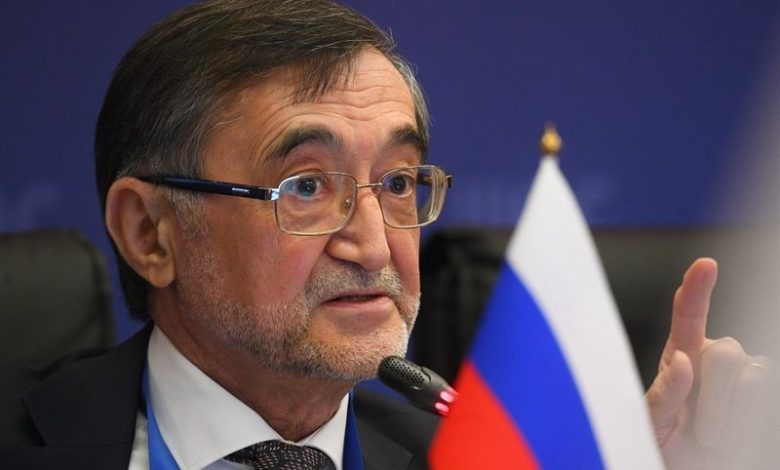
Russia has called for the revival of the Shanghai Cooperation Organization–Afghanistan Contact Group to address issues related to Afghanistan, a mechanism that has essentially been inactive since the political changes in 2021.
Bakhtiyar Hakimov, Russia’s representative for SCO affairs, stated that this contact group, established in 2007, should be reactivated to coordinate political, security, and economic cooperation between SCO member states and Afghanistan. He explained that the joint chairmanship of the group is held by the deputy foreign minister of the country currently holding the SCO rotating presidency, along with the representative of Afghanistan.
Hakimov emphasized that since the Taliban administration has not yet been recognized by all SCO member states, the process of resuming the group’s activities will proceed gradually. This situation highlights that the lack of international legitimacy for the Taliban government remains a significant obstacle to formal multilateral engagement concerning Afghanistan.
The Russian representative also referred to a special consultation meeting on Afghanistan held last year in Dushanbe, initiated by Tajikistan. One of the outcomes of that meeting was an agreement to explore the possibility of reactivating the contact group.
Previously, Sergei Shoigu, Secretary of the Russian Security Council, stressed the importance of restoring the SCO’s relations with Afghanistan and restarting this mechanism, noting that most SCO members support this approach.
The SCO–Afghanistan Contact Group was created in 2007 to facilitate coordination among member countries and Afghanistan in security, political, and economic domains. However, following the Taliban’s return to power in 2021 and the establishment of a government not yet recognized by many countries, the group’s activity has faced interruption and uncertainty.
Member states of the organization have previously issued a joint statement supporting peace, stability, and the formation of an inclusive government in Afghanistan—a demand that remains unmet after several years and continues to be a central theme in regional discussions about the country’s political future.