Amnesty International: Taliban’s Divorce Code Paves Way for Child Marriages
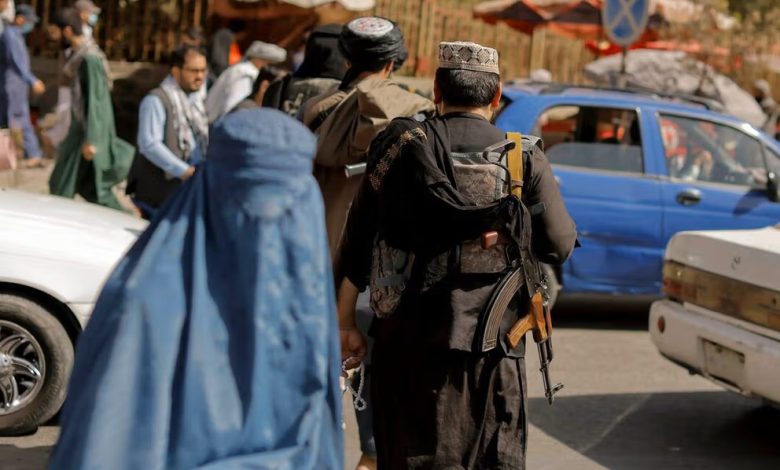
Amnesty International, in a recent legal analysis, stated that the Taliban’s ‘Divorce Code’ not only restricts the rights of women and girls but also lays the groundwork for institutionalizing forced child marriages in Afghanistan. This document, issued on May 14, 2026, following endorsement by the Taliban leader, defines conditions for divorce between spouses; however, according to the organization, in practice, it strengthens patriarchal structures and strips women of their independence.
According to this code, women and girls can only request divorce under specific conditions and face significant legal obstacles. Moreover, arranged childhood marriages are validated, and a girl’s silence after reaching puberty is interpreted as consent to marriage—a provision Amnesty International says seriously heightens the risk of coercion and threats.
Isabel Lasí, Deputy Regional Director for South Asia at Amnesty International, described the document as ‘a fresh blow to fundamental women’s rights,’ stating that by eliminating the concept of genuine consent and placing decision-making control in the hands of male relatives, all autonomy is taken away from women and girls. She emphasized that overall, the provisions of this code help normalize child marriage and reinforce the male guardianship system.
The analysis notes that before the publication of this code, the Taliban administration had no unified civil law regarding spousal divorce, and family disputes were settled through a mix of religious edicts, Hanafi jurisprudential interpretations, and case-by-case decisions made by courts controlled by Taliban judges.
Under the new law, girls wishing to contest their marriages can only do so after reaching puberty and with court approval, whereas men can unilaterally divorce their wives without witnesses or judicial confirmation. Critics argue that this disparity reflects a lack of legal balance between women and men in the document.
Najla Rahal, Vice President of the Independent Bar Association in Exile and founder of the ‘Women’s Identity’ organization, told Amnesty International that this code is a misogynistic measure that limits freedom to choose a spouse and grants men full authority over marriage decisions. Additionally, a defense lawyer inside Afghanistan, who wished to remain anonymous, said this move shows that the Taliban administration’s approach continues to be based on restricting freedoms and weakening fundamental women’s rights.
Amnesty International has called on the international community to apply diplomatic pressure and engage principledly with Taliban officials to repeal these harsh laws and restore a formal legal system grounded in international standards.
The report also highlights that amid growing concerns about women’s rights in Afghanistan, some Iranian women have expressed solidarity with Afghan women by sharing messages on social media. This show of support comes as human rights organizations warn of the worsening human rights situation, especially regarding the rights of women and girls under Taliban rule.