Trump Rules Out Direct U.S. Payments to Iran Amid Negotiations
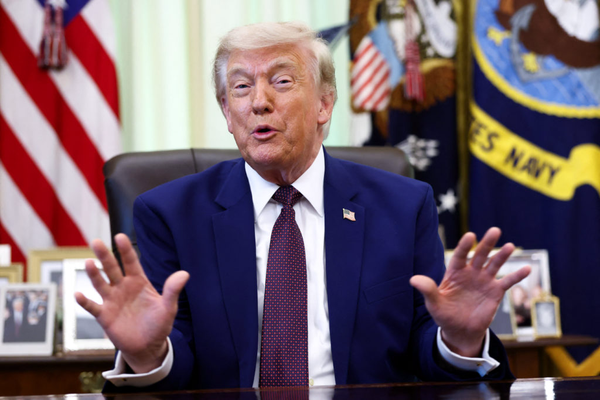
CNN, citing informed sources, has reported that Donald Trump, President of the United States, has emphasized to his advisers that he will not sign any agreement involving the U.S. making direct payments to Iran. According to these sources, the issue of Iran’s frozen assets has become one of the main sticking points in the negotiations between the two countries.
The report states that Trump is sensitive to any comparisons with the 2015 agreement during Barack Obama’s administration and aims to make any potential new deal appear “stronger” than the previous one. He had previously criticized the release of approximately $1.7 billion of Iranian assets during the Obama administration.
CNN, quoting anonymous sources, claims that Iran seeks the release of part of its frozen assets simultaneously with reaching an initial memorandum of understanding, and that this release should not be postponed to an unspecified future date. Conversely, a U.S. official has expressed concern that an early release of assets could reduce the economic pressures imposed on Iran over recent years.
The White House has stressed that no financial facilitation will occur until the issue of highly enriched uranium reserves is resolved. According to the report, within internal U.S. government circles, this stance is referred to as “No dollars until the nuclear dust is cleared.”
In a recent cabinet meeting, Trump stated that the U.S. controls assets claimed by Iran and added that their release depends on what he called “proper behavior.” U.S. Secretary of State Marco Rubio also asserted during a congressional hearing that sanctions will not be lifted immediately and that any easing is contingent on the full implementation of Washington’s demands.
Meanwhile, according to some sources, there is a proposal to establish an investment fund to provide billions of dollars for reconstruction after a final agreement. This fund is intended to be primarily financed by Gulf countries, with the U.S. not making direct investments.