UNICEF Calls for Lifting Ban on Girls’ Education and Women’s Workforce Participation in Afghanistan
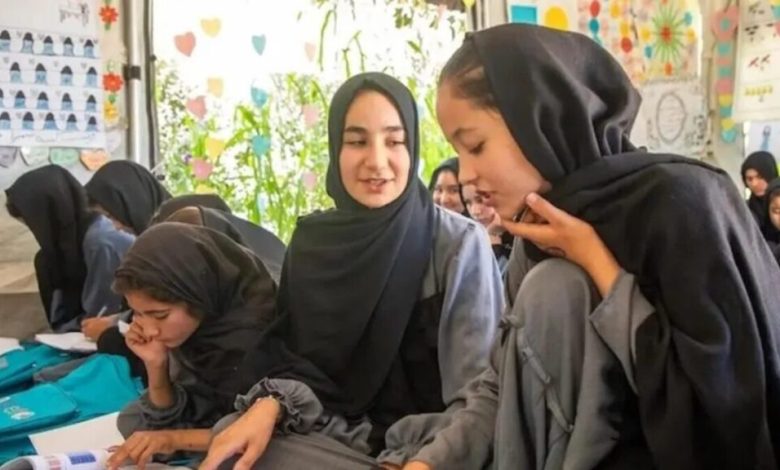
The Strategic Evidence Office of the United Nations Children’s Fund (UNICEF) has stated that ongoing restrictions on girls’ education and women’s participation in the workforce are undermining Afghanistan’s human capital foundation, directly impacting the country’s economic growth, public services, and social stability. According to this analysis, each year these policies persist, a new group of girls is prevented from entering the skilled labor force.
Published in Forbes magazine and referencing a UNICEF report dated April 28, the analysis reveals that the ban on education beyond the sixth grade and job restrictions for women have already caused an approximate 0.5% reduction in Afghanistan’s GDP. UNICEF emphasized that by maintaining these limitations, the Taliban administration directly curtails the country’s production capacity and economic growth.
UNICEF has urged the authorities to lift the bans on secondary and higher education for girls and to create opportunities for women’s participation in the labor market. The organization believes that protecting skill education and allowing women to work could add 0.5% annually to economic growth, with even greater gains achievable if educational and employment opportunities expand.
The report also highlights the direct link between mothers’ education and child health. UNICEF warns that continuing the ban could lead to increased stunting in children, reduced vaccination coverage, and weakened prenatal care—issues with long-term human and social consequences.
The United Nations Children’s Fund recalls that since the prohibition on girls’ education in secondary schools was enforced in September 2021, no girl has enrolled beyond the sixth grade, directly affecting about one million girls. The agency projects that if the situation continues, by 2030, two million girls will be deprived of education beyond the primary level.
UNICEF also notes that the general situation in the country is affected by a series of crises—from ongoing droughts damaging agriculture and family food security to earthquakes in 2022 and 2025 causing death, injury, and displacement of many residents. The return of nearly three million migrants by December 2025 further strains social services, which were already facing resource shortages.
According to UNICEF projections, by 2026, approximately 45% of Afghanistan’s population—about 21.9 million people, including eight million children—will require humanitarian assistance, with severe child malnutrition remaining widespread. The organization stresses that without changes in education and employment policies toward women, Afghanistan’s prospects for economic and social improvement will be increasingly weakened.