EU Parliament Member Opposes Hosting Taliban Delegation in Brussels Again
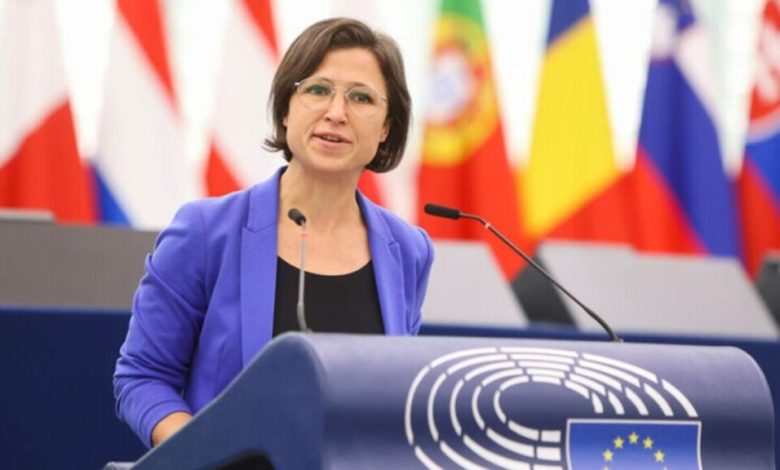
Hanna Neumann, a member of the European Parliament, has once again opposed the possibility of holding talks between the European Union and the Taliban administration in Brussels, stating that such a move would undermine the EU’s political credibility and help legitimize the group. She emphasized that engagement with the Taliban should not come at the expense of weakening the core principles of the EU’s foreign policy.
On Tuesday, Neumann wrote on the social media platform X that the EU should not invite the Taliban to Brussels for talks. According to her, any political deal that sacrifices foreign policy principles in exchange for agreements on deporting migrants could damage the EU’s security and reputation.
Earlier, the European Commission announced plans to host a Taliban delegation in Brussels in mid-June as part of talks about returning Afghan citizens facing deportation orders. This was described as part of efforts by some European countries to regulate the migrant return process.
According to the German news network RND, Neumann pointed out that engagement with the Taliban is not just a technical procedure. She said that every official meeting, every joint photo, and every visa issued to Taliban representatives could be interpreted as a political achievement for the group.
The MEP also called the issuance of visas to Taliban representatives “hypocritical,” especially while many opponents of the group in Afghanistan remain in limbo due to halted or delayed visa programs. She believes this approach could send a misleading message to victims of human rights abuses in Afghanistan.
Meanwhile, it has been reported that 20 European countries, including 19 EU members and Norway, have asked the European Commission to begin technical talks with the Taliban administration regarding the return of Afghan migrants. EU migration officials also traveled to Kabul earlier this year for preliminary discussions.
According to RND, the Taliban administration has demanded greater diplomatic access and presence in European countries in exchange for accepting deported migrants from Europe—requests that have drawn criticism from some lawmakers and human rights advocates. Critics warn that expanding official relations without holding the group accountable for its human rights record could normalize the current situation in Afghanistan.
These developments come as European governments face growing domestic pressure to deport migrants accused or convicted of crimes, while also confronting the challenge of how to engage with the Taliban administration, which has not yet been recognized by the EU.