Afghan Politicians Strongly Respond to Pakistani Opposition Leader’s Call for Afghan ID Cards for Pashtuns
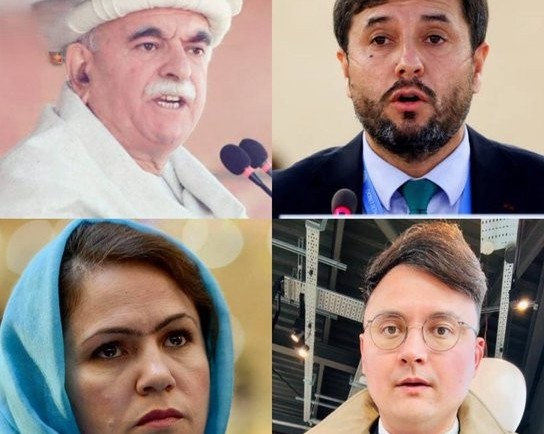
Mahmood Khan Achakzai, the leader of Pakistan’s opposition, sparked widespread backlash from Afghan politicians and former officials by stating that “every Pashtun should obtain an Afghan identity card.” Critics condemned the remarks as interference in Afghanistan’s internal affairs and a disregard for legal processes related to citizenship and national identity.
Achakzai wrote on the social media platform X that millions of Pakistanis hold dual citizenship in various countries such as Canada and Italy, and added that Pashtuns should also receive Afghan identity cards.
In response, Basirullah Taban, a security expert, addressed Achakzai, saying, “It is true that Afghanistan has been left without a caretaker and is under Taliban rule, but that is not sufficient grounds for such decisions.” These remarks come amid repeated concerns raised by critics regarding the management of identity documents under Taliban control.
Tamim Asi, a former deputy in the Ministry of Defense, strongly rejected the proposal, stating that Afghanistan is “not a country without governance,” and identity, identity cards, and the name of Afghanistan are not issues for a few figures linked to foreign intelligence agendas to decide. He emphasized that after the end of the Taliban regime, all identity cards and passports issued during this period must be reviewed.
Narges Nahan, former Minister of Mines and Petroleum, also highlighted the sensitivity of the national identity issue, saying no Pakistani Pashtun, Tajik of Tajikistan, Uzbek of Uzbekistan, or Persian speaker from Iran has the right to intervene in Afghanistan’s internal affairs or dictate terms to its people. According to her, using shared ethnic and linguistic ties as a pretext to interfere in Afghanistan’s domestic matters is no longer acceptable.
Meanwhile, Nasir Andisha, Afghanistan’s representative in Geneva, described the proposal as an intervention in internal matters and expressed concern over the consequences of cross-border nationalism-based views.
Fauzia Koofi, a former member of the peace negotiation team, also emphasized that granting citizenship and identity cards is subject to specific legal laws and procedures and cannot be determined based on political positions.
These reactions come at a time when national identity, citizenship, and identity documents remain some of the most sensitive issues in Afghanistan, especially given that the Taliban administration lacks both domestic and international legitimacy. Any decisions regarding identity documents could have extensive legal and political consequences.