Sustainable Electricity Brings Benefits to 250 Students in Laghman Province
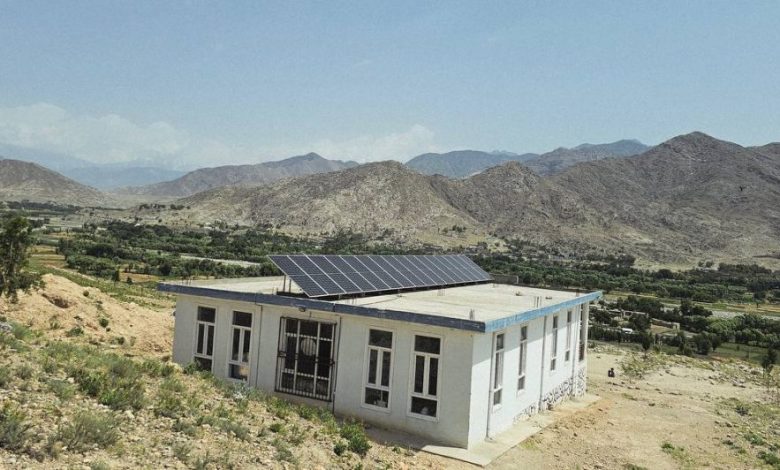
The United Nations Development Programme (UNDP) has stated that access to sustainable electricity in rural areas of Afghanistan plays a crucial role in improving education, daily life, and the provision of basic services. The agency says that providing reliable energy can enhance the quality of education and create more opportunities for residents of remote areas.
According to a report published on Sunday, May 31, a school in Sabirabad village of Laghman province, supported by the SESEHA project, now provides educational services to 250 students, including 96 girls. This initiative is part of efforts to strengthen energy infrastructure in rural schools.
The UNDP explains that the absence of reliable electricity in schools leads to reduced study hours, lower quality of education, and limited educational opportunities for students. In many villages, access to lighting disappears after sunset, practically halting educational activities.
The United Nations Development Programme emphasizes that electricity remains unstable and costly for a large portion of Afghanistan’s population, and vast rural areas lack regular access to energy. The agency added that small but effective changes in the energy sector can bring tangible improvements to the daily lives of residents in these regions.