UK Rejects Mass Transfer Requests of Former Afghan Military Personnel Amid Security Concerns
A number of former Afghan security and military personnel have announced that after years of waiting, their applications for relocation to the UK under the ‘Afghan Relocation and Assistance Policy’ (ARAP) have been collectively rejected; a decision that, according to them, places their lives at risk of security threats and severe economic hardships.
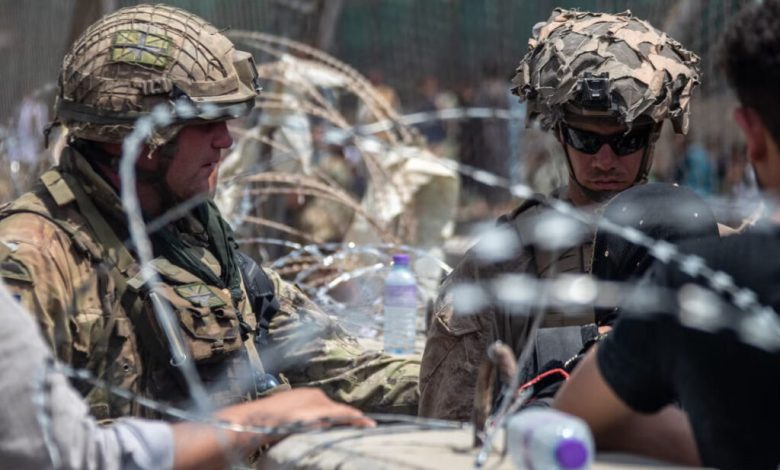
These individuals, who collaborated during NATO and British military presence in Afghanistan, claim that despite submitting evidence of cooperation such as documents, photos, videos, commendations, and proof of life-threatening situations, the responses they received were clichéd and repetitive, issued without thorough review. Many served in elite units such as 444, 333, CRU 222, special police forces, the army, and the former National Security Directorate, and took part in joint operations with British forces.
According to the former military personnel, the main reason for rejecting the applications was the ‘lack of an official contract with the UK government’; while they emphasize that frontline cooperation in wartime was often performed without written contracts and, in their own words, ‘was signed with our lives.’
Concurrently, the accidental disclosure of thousands of ARAP applicants’ information in 2022 and 2023 has heightened concerns. This data included names and details of their collaboration with the British army and, as these individuals say, increased the risk of identification and persecution by the Taliban administration. Some have claimed that a number of their colleagues have been detained for storing documents of cooperation with foreign forces on their mobile phones, with their current whereabouts unknown.
Previous media reports also indicate that the UK Ministry of Defence rejected requests from over two thousand Afghan commandos, forces said to possess valid service documents from units supported by the UK. This decision drew reactions from some UK parliament members, who described it as ‘concerning.’
A group of these former soldiers, in a joint statement, have called for an independent and public review of the application process, stressing that the rejection was carried out ‘collectively and unfairly.’
They have urged the UK government to immediately reassess the cases and, in their words, fulfill its ‘moral responsibility’ toward its Afghan collaborators. These former personnel say they now face security threats, economic hardship, and an uncertain future under Taliban rule in Afghanistan, warning that continuing this situation could have irreparable consequences.