UN Voices Concern Over Humanitarian Aid Disruptions to Afghanistan Amid Regional Crises
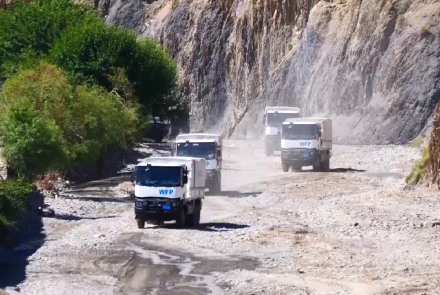
The United Nations has expressed concern over increasing obstacles to the delivery of humanitarian aid to Afghanistan, as crises continue in the Middle East. These worries have intensified due to dwindling supplies of specialized food for mothers and children suffering from malnutrition.
The World Food Programme previously warned that restrictions at certain Iranian ports and disorder along maritime routes have severely reduced food reserves designated for vulnerable mothers and children. This situation arises while a large portion of Afghanistan’s population relies on foreign assistance for their basic needs.
The U.S. State Department, responding to this situation in an interview with Voice of America’s Afghanistan section, stated that after four years of rule, the Taliban administration must play a more active and responsible role in ensuring the health and welfare of citizens. Washington emphasized that any aid suspected of reaching the Taliban has been suspended under the directive to pause and review foreign assistance.
According to reports, since January 2025 and following a directive issued by U.S. President Donald Trump concerning the suspension and review of foreign aid, the majority of U.S. assistance to Afghanistan has either been fully halted or significantly limited. This process has now been ongoing for nearly a year and a half.
Meanwhile, the closure of some transit routes between Afghanistan and Pakistan and restrictions along routes through Iran and Dubai have posed serious challenges to the transfer of food and other humanitarian goods. As a result, access to basic supplies for needy families in many parts of the country has decreased.
Under these circumstances, ongoing regional crises have further weakened the supply chain for aid, heightening the urgent need to establish safe, sustainable, and non-political channels to deliver humanitarian assistance to Afghanistan more than ever before.