Pakistan PM Shahbaz Sharif Accuses Taliban of Assisting India, Vows Continued Military Operations in Afghanistan
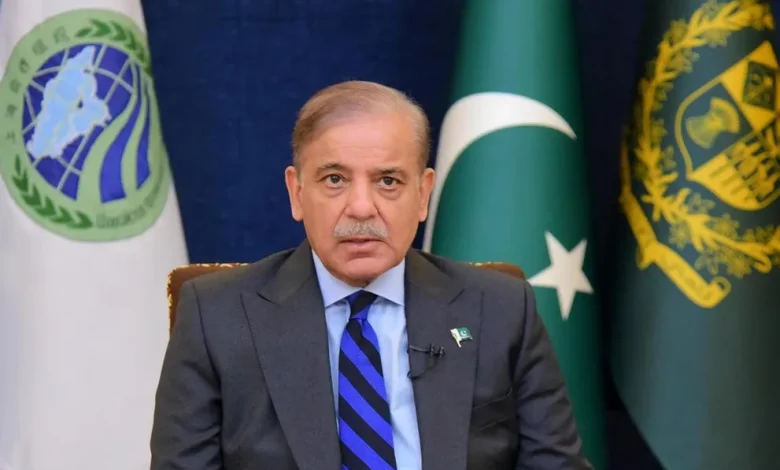
Pakistan Prime Minister Shahbaz Sharif has accused the Taliban administration of facilitating India’s objectives against Pakistan, announcing that Islamabad will continue its military operations within Afghan territory to eliminate threats. He emphasized that Pakistan is combating what he described as Afghanistan-based threats under the “Ghazi-ullah” operation.
On Wednesday, May 27, coinciding with the anniversary of Pakistan’s nuclear tests, Sharif stated that if Pakistan had not become a nuclear power, “the enemy could have crossed any border.” He described Pakistan’s nuclear deterrent and armed forces as the primary barriers against the country’s adversaries.
Referring to India, the Prime Minister claimed that “the Afghan regime provides the grounds for the enemy’s objectives,” adding that following what he termed the enemy’s defeat, support for proxy groups such as Tehrik-i-Taliban Pakistan and Baloch separatists has increased. These remarks come amid a marked escalation in tensions between the two countries in recent months.
Following an unprecedented rise in border clashes, the Pakistani army launched the “Ghazi-ullah” operation to conduct strikes inside Afghanistan. Prior to this, operations like “Azm-e-Istehqam” had been initiated against Baloch militants and the Tehrik-i-Taliban Pakistan. Pakistani officials claim that over 700 Taliban fighters have been killed during the new operations; however, the Taliban administration has rejected these figures.
Despite these claims, reports from Khyber Pakhtunkhwa province indicate a renewed surge in attacks and insecurity in recent days. The ongoing situation raises questions regarding the effectiveness of Pakistan’s military campaigns as well as the Taliban administration’s management of threats.
In a joint statement, Pakistan’s army—speaking through its land, air, and naval commanders—described the 1998 nuclear tests as having established a strategic balance in South Asia and symbolizing national sovereignty and regional deterrence.
In recent months, Pakistani military strikes have targeted several Afghan urban areas, including Kabul. Islamabad hopes that increased military pressure will push Pakistani militants away from border areas or prevent their attacks in Khyber Pakhtunkhwa. However, the Taliban administration has so far refused to comply and has, in some cases, launched counter-attacks.
The continuation of these clashes has also raised concerns among Afghanistan’s neighboring countries—especially China. Meanwhile, attacks by Tehrik-i-Taliban Pakistan against Pakistan’s forces persist, and the Pakistani army continues to suffer casualties from suicide and guerrilla attacks.