EU Commission Invites Taliban Officials for Talks on Afghan Migrant Returns Amid Backlash

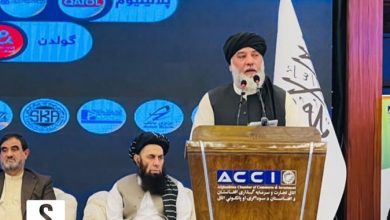
The European Commission announced that it has invited Taliban officials to discuss the process of returning Afghan migrants, a move that has sparked critical reactions across Europe. On Tuesday, May 12, the Commission’s spokesperson stated that the contacts with Kabul are purely “technical” and that the invitation does not signify recognition of the Taliban administration.
According to Markus Lamert, spokesperson for the European Commission, a letter has been sent to Kabul to schedule the meeting, which will be coordinated with Sweden. He emphasized that senior Taliban leaders will not attend the meeting and that discussions will focus on practical and diplomatic issues related to the deportation of migrants.
Reports by Huffington Post indicate that the invitation extended to representatives of the Taliban administration in Brussels has triggered waves of criticism among some European political factions. Melissa Camara, a Green Party representative, described the action as a “profound retreat from the fundamental values and rights of the European Union” and warned that such contacts might lead to legitimizing the Taliban administration.
The Taliban regained control over Afghanistan after the withdrawal of U.S. forces in 2021 but have yet to be officially recognized by the European Union. However, about 20 EU member states, advocating stricter migration policies, have recently urged Brussels to find solutions for the return of Afghan migrants, especially those considered security threats.
These developments come amid a severe humanitarian crisis in Afghanistan. International organizations report that since 2023, over five million Afghans—mostly forcibly—have been returned from Iran and Pakistan, many facing poverty, unemployment, and lack of shelter.
Lisa Owen, an official from the International Rescue Committee, warned that returning people to a country where a large portion of the population suffers from food insecurity could put lives at risk. Additionally, some migrant rights groups have expressed concern that such meetings might facilitate identifying individuals slated for deportation, potentially endangering their security and rights.
Simultaneously, the issue of issuing visas to the Taliban delegation has arisen. Since the EU does not recognize the Taliban administration, delegation members require special visas. Belgium, hosting EU institutions, has announced its readiness to issue these visas. The European Commission has not yet clarified which individuals have been invited or how travel and accommodation expenses will be covered.
Afghans remain the largest group of asylum seekers in the EU, yet many European countries have implemented tougher policies toward them in recent years. Since 2024, Germany has deported around one hundred convicted Afghans to Afghanistan in cooperation with Qatar, and Austria has previously hosted Taliban representatives in Vienna. This trend indicates that some European governments are seeking to expand practical contacts with the Taliban administration, although its political legitimacy remains a contentious issue.