Dangerous Migration Routes Persist Amid Political and Social Unrest in Afghanistan
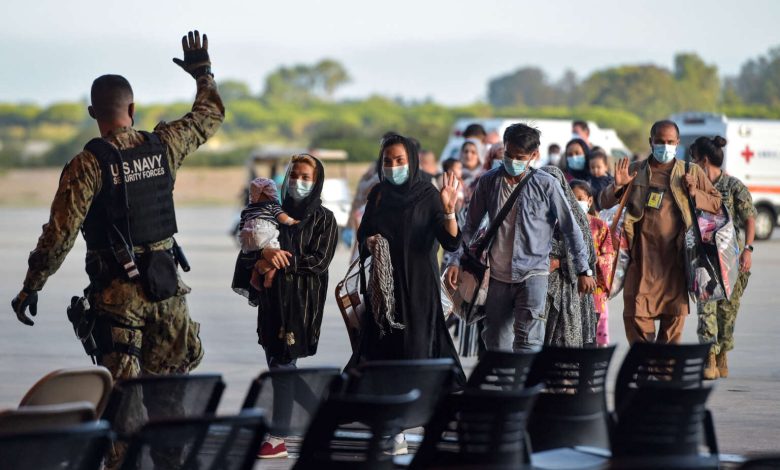
The International Organization for Migration (IOM) has reported that nearly 8,000 migrants lost their lives in 2025 while trying to reach their intended destinations worldwide. Among the victims, Afghan and Rohingya nationals constitute the largest number of casualties. This new data highlights that migration routes remain perilous.
Maria Moita, head of the IOM’s humanitarian response and recovery division, told reporters in Geneva on Tuesday, April 23, that these figures reflect the severity of the global situation. According to her, the highest number of deaths so far has been recorded in Asia, with hundreds of Rohingya and Afghan citizens among the victims.
Moita added that migration pressures worldwide have not diminished, but routes have changed due to armed conflicts, climate shocks, labor market demands, and policy shifts. She believes these altered routes have forced many migrants to travel through even more dangerous paths.
Meanwhile, Andrea Garcia, another IOM official, noted that the number registered in 2025 shows a decrease compared to 2024, a year when 9,197 migrant deaths were recorded globally. However, she stressed that this decline does not necessarily indicate a real reduction in fatalities.
Garcia explained that limited available information and difficulties in verifying many incidents mean that some cases are not included in official statistics. She added that approximately 1,500 additional deaths or disappearances are believed to have occurred but remain unrecorded due to insufficient evidence.
Following the Taliban’s reestablishment of control over Afghanistan, a massive wave of forced and illegal migrations has emerged. Extensive social, economic, and educational restrictions—especially affecting women and youth—have compelled many residents to use hazardous land and sea routes to reach other countries. These journeys have repeatedly resulted in humanitarian catastrophes and continue to threaten the lives of Afghan citizens.