Taliban-Pakistan Talks in China End Without Resolution
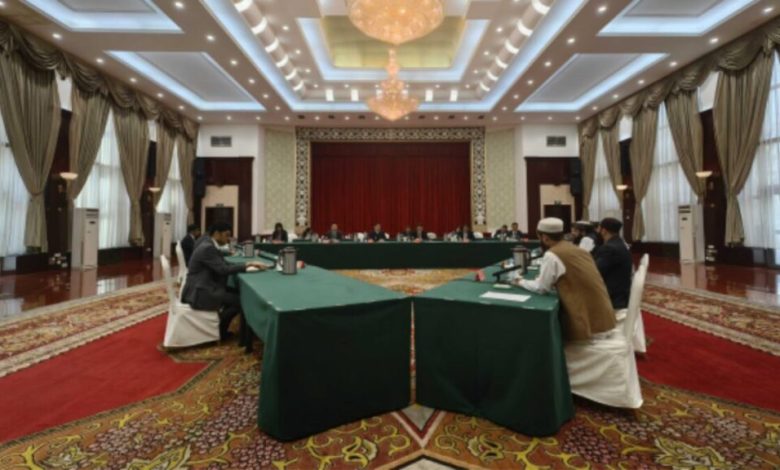
A week-long series of talks between Taliban and Pakistani delegations in Urumqi, China, concluded without any concrete results. Muhammad Naeem Wardak, Deputy Administrative and Financial Minister of the Taliban’s Foreign Ministry, described Pakistan’s stance as “irrational” and blamed it for the failure of the meetings.
Wardak stated that Pakistan is attempting to “transfer its internal security issues” to Afghanistan and shirk its responsibilities towards its own people and country. These remarks come amid rising tensions between the two sides in recent months, with both accusing each other of failing to meet security commitments.
The talks took place from April 1 to 7 and were hosted by China, involving officials from Chinese diplomatic, defense, and security agencies, as well as representatives from the Taliban administration and Pakistan. The stated goal of the discussions was to reduce tensions and manage differences between Kabul and Islamabad.
Mao Ning, spokesperson for China’s Foreign Ministry, said the negotiations were held in a “constructive atmosphere” and involved candid and pragmatic exchanges focused on resolving disagreements. According to him, both parties agreed to work towards an early reduction of tensions and to avoid actions that could complicate the situation.
However, the conclusion of the talks without tangible outcomes has raised questions about the effectiveness of this diplomatic process and the Taliban administration’s capacity to manage regional tensions—especially as ongoing instability could directly impact Afghanistan’s security and economic situation.