Taliban Leader Hibatullah Addresses Kandahar Seminar, Reaffirms Religious Loyalty
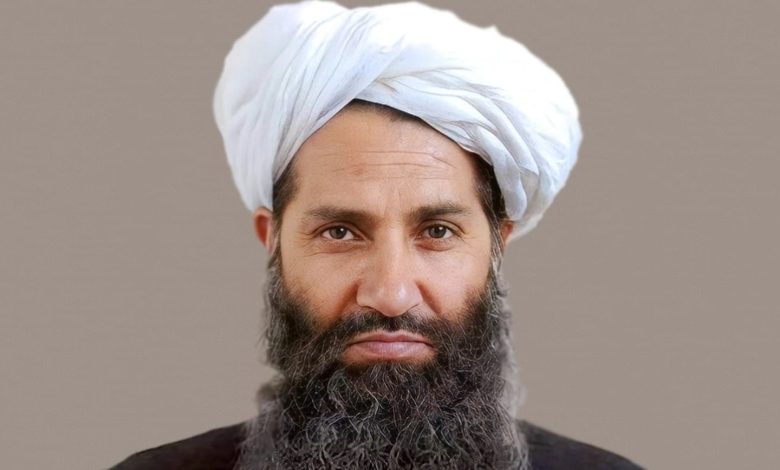
Sheikh Hibatullah Akhundzada, the leader of the Taliban administration, attended a five-day reformative and educational seminar for teachers and members of the Hajj delegation in Kandahar province, where he delivered a speech on how to serve the pilgrims of the House of God. The event was attended by several Taliban officials, religious scholars, and heads of the Departments of Guidance, Hajj, and Religious Endowments in the southern zone.
The meeting also included the administrative deputy of the Prime Minister’s office, the professional deputy of the Ministry of Guidance, Hajj, and Religious Endowments, and the head of this department in Kandahar. Organizers said the seminar aimed to raise the awareness level of the Hajj teachers and improve the services provided to the pilgrims.
In his remarks, the Taliban leader described Hajj as one of the greatest divine obligations, stating that those who serve the pilgrims receive spiritual rewards. He emphasized that the main purpose of Hajj is “self-reformation” and performing this sacred duty with sincerity elevates a person to a high status.
He also urged the members of the delegation and teachers to serve the pilgrims with humility and pure intention, avoiding wasting time. According to him, people have high expectations from the delegation officials and these expectations must be met appropriately.
Highlighting the fact that many pilgrims are not fully familiar with the rituals, and that among them are elderly and sick individuals, he stressed that delegation officials are obligated to guide and assist them at all stages. This comes in the context of previous years’ reports about managerial challenges and inadequate services during the dispatch and accompaniment process of pilgrims, raising expectations that the Taliban administration will be held accountable for these responsibilities.
At the end of the meeting, several religious scholars and participants renewed their allegiance and commitment to the Taliban leader; an act that takes place within the current power structure in the country and has always been emphasized as support for the ruling system.