Over 1,100 Former US Collaborators in Qatar Remain in Uncertainty Amid Resettlement Delays
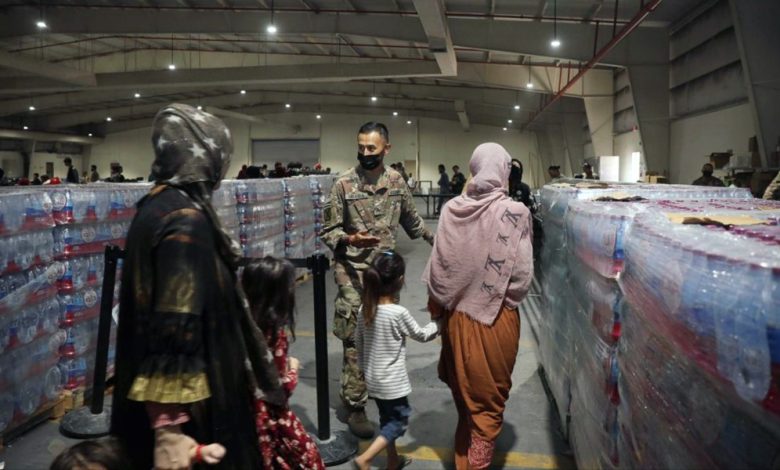
More than 1,100 Afghan citizens who had previously collaborated with US forces remain in a state of limbo at the Al-Silsilah camp in Qatar, as their visa issuance and transfer to third countries have been repeatedly delayed. US officials say they are in talks with several countries in sub-Saharan Africa and Southeast Asia to resettle these individuals.
These people have been residing for months in former US military facilities in Qatar. The March 31 deadline for closing the center passed without a clear resolution, leaving the fate of the residents uncertain. A Wall Street Journal report indicates that efforts to find alternative options have intensified following the failure to advance previous plans.
According to reports, the monthly cost of running the camp is estimated at over $10 million. Qatari officials have also urged the United States to finalize the transfer and resettlement program as soon as possible and to close the facility.
Meanwhile, the mental health of the camp’s residents is deteriorating. Many of them say that if they return to Afghanistan, they face risks of retaliation and possible persecution by the Taliban administration—a concern that they say has left their lives in a state of suspension.
Advocacy groups supporting the evacuation process have also warned about the ongoing uncertainty. Sean Vanderver, head of the organization Afghan Evac, stated that the lack of clarity and passing deadlines without transparent communication have caused deep despair among these individuals.
Some US lawmakers have called for immediate action. Senator Jeanne Shaheen emphasized that Washington has a responsibility toward these individuals and warned that their potential return to Afghanistan could result in serious dangers.
The US State Department has attributed some of the current problems to decisions and challenges related to the military withdrawal from Afghanistan. Even several years after the end of the US military presence, resettlement of Afghan collaborators faces significant difficulties, with thousands more awaiting permanent transfer in temporary locations.