UN Report: Taliban Regulations Violate Women’s Rights in Afghanistan
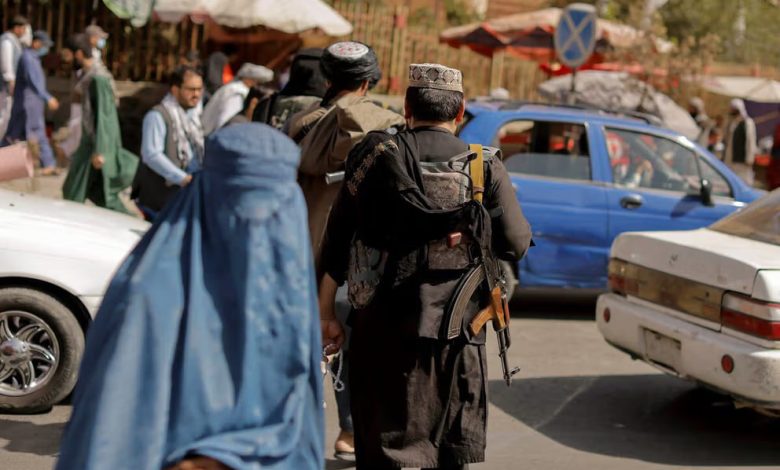
The United Nations Human Rights Office and the UN Women department, in a recent review, have stated that the regulations imposed by the Taliban administration against women and girls contradict Afghanistan’s international commitments under the Convention on the Elimination of All Forms of Discrimination Against Women (CEDAW). This assessment examined 16 policies and orders issued since the Taliban returned to power.
According to these agencies, the ban on women working in national and international non-governmental organizations, as well as in UN-affiliated institutions, constitutes clear gender-based discrimination. The United Nations emphasized that this directive conflicts with Articles 7, 8, 11, and 14 of CEDAW, violating women’s right to equal participation in institutions, involvement in public affairs, and equal access to employment opportunities.
The review also addressed the prohibition of women’s beauty salons, the equalization of female civil servants’ salaries, and restrictions on women’s involvement in political and social life. Findings indicate that these limitations deprive women of equal enjoyment of social freedoms and privileges.
The UN report states that the new Taliban administration regulations restrict women’s rights to determine their dress and social presence, equality in rights and benefits, and equal participation in political and public life. The agencies added that such actions undermine Afghanistan’s international obligations.
Another part of the assessment analyzed the Taliban administration’s penal code and at least five articles directly targeting women and girls. According to the report, Article 140 of this code legitimizes underage marriage of girls and considers the father’s decision sufficient for implementing or validating the marriage.
The report also reviewed Decree No. 390 issued by Hibatullah Akhundzada regarding marriage. Although this decree grants “adult women” the right to consent to marriage in some sections, the United Nations noted that it does not provide a clear definition of the age of majority or minimum age for marriage.
In concluding this legal review, the United Nations emphasized that despite some positive aspects in the decrees related to marriage contracts, dowry, and the prohibition of forced marriage, the overall framework of Taliban regulations still does not ensure full and guaranteed equality of women’s rights. The agency expressed concern over the continuing restrictions that have broadly impacted the social, economic, and legal lives of women in Afghanistan.