UN Human Rights Council Warns of Women’s Rights Violations and Worsening Poverty in Afghanistan
The United Nations Human Rights Council has expressed concern in its latest report over ongoing human rights violations in Afghanistan and the reduction of international aid to those in need, stating that nearly 22 million people require humanitarian assistance this year.
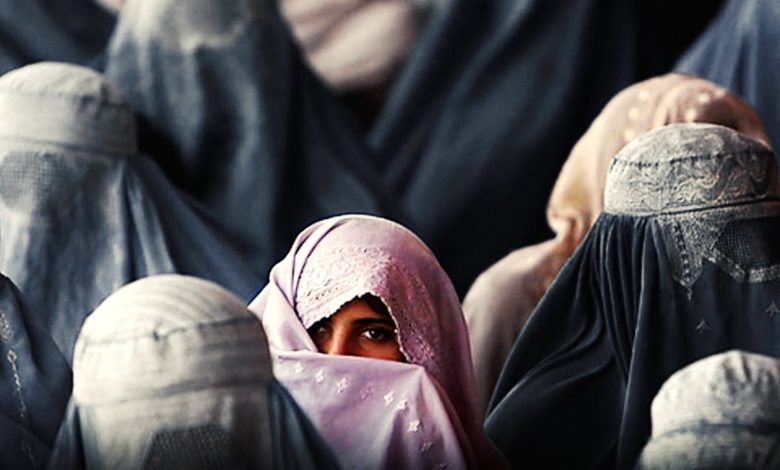
The report, which reviews the situation in Afghanistan from August 2025 to January 2026, cites Volker Türk, the UN High Commissioner for Human Rights, who noted that following the Taliban’s return to power, restrictions on women and girls have expanded with numerous decrees and regulations issued to enforce these limitations.
According to the report, the ban on women working in UN-related institutions, limitations on their employment in government offices, and the continued denial of education for girls have raised serious concerns. The High Commissioner emphasized that progress in any country is impossible without the active participation of women and girls.
The report adds that millions of Afghans face multidimensional poverty, and access to education, employment, adequate food, clean drinking water, and healthcare remains limited. Based on the assessment, approximately 21.9 million people, nearly 45% of the country’s population, require urgent humanitarian aid this year.
The document also states that an unprecedented decline in global aid, the return of about three million Afghan refugees from Iran and Pakistan, the negative impacts of climate change, and the displacement of thousands due to conflicts along the disputed border with Pakistan have all worsened the humanitarian situation.
The UN Human Rights Council has called on the Taliban administration to lift the restrictions on women’s work and education. So far, the Taliban has not issued an official response to this latest report. However, it has previously dismissed similar UN and human rights organizations’ reports as baseless, asserting that it ensures the rights of all citizens within the framework of Islamic principles.
Meanwhile, several analysts believe that after decades of war and hardship, Afghanistan needs comprehensive progress in education and the economy more than ever. Akhtar Mohammad Rasikh, a political analyst, stated that the country faces severe economic challenges, and if international mediation is facilitated, tensions with Pakistan ease, and job opportunities are created for the people, there is a possibility to overcome the economic crisis.
This report comes as other UN agencies have recently warned of budget shortages to continue humanitarian operations in Afghanistan and have urged the international community to increase emergency aid to Afghan people in need.