US Publication: Women’s Oppression in Afghanistan Has Global Consequences
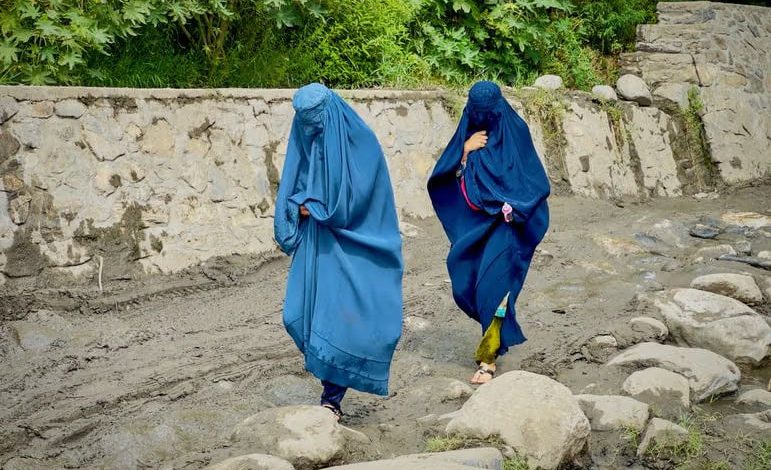
An American publication has reported that the situation of women in Afghanistan following the Taliban’s return to power is not merely an internal crisis but has ramifications that extend beyond the country’s borders, affecting democracy, security, and global stability.
In an article published by Desert News, it was stated that since 2021, women have been systematically excluded from public life and deprived of their rights to education, work, freedom of movement, and expression. The author emphasized that these restrictions are structural and organized, encompassing all areas of social life.
According to the writer, the laws imposed by the Taliban administration, including the prohibition of women’s voices being heard in public forums, indicate the establishment of a system based on severe gender repression; a system some have described as “gender genocide.” The article considers the current situation a clear example of institutionalized discrimination against half of the country’s population.
The article continued by noting that the international community has failed to hold the Taliban accountable, and in some cases, political and diplomatic engagement with the group has indirectly legitimized them. The author warned that a lack of decisive action could undermine global human rights standards.
The piece also references legal efforts to recognize “gender apartheid” as an independent crime at the international level. According to the author, although many international law experts view the situation of women in Afghanistan as fitting this concept, existing laws have yet to provide a precise definition of it within the framework of crimes against humanity.
Based on this analysis, the status of women in Afghanistan could serve as an indicator for measuring the level of peace and stability in countries. The author stressed that how the international community addresses this crisis will influence its response to human rights violations in other parts of the world.
The article concludes by stating that supporting Afghan women is, in fact, defending women’s rights globally, and neglecting this situation paves the way for the repetition of such patterns of oppression in other countries.