Ghazni Farmers Call for Timely and Transparent Distribution of Agricultural Aid
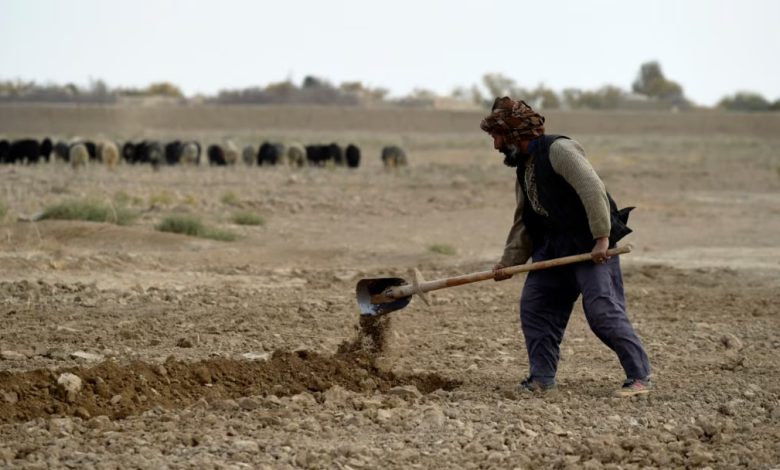
A number of farmers in Ghazni province say that to combat the effects of climate change, the timely distribution of certified seeds, quality chemical fertilizers, and the implementation of water management projects are urgent needs. They emphasize that delays in these processes reduce crop yields and threaten the livelihoods of thousands of families living in the province.
According to these farmers, water scarcity is the most fundamental challenge in the agricultural sector. They believe that digging deep wells alone is not a sustainable solution and that systematic and long-term management of water resources, especially through the construction of dams and standard irrigation systems, can bring greater stability to agricultural production.
Although Afghanistan contributes minimally to greenhouse gas emissions, it is considered one of the countries most vulnerable to climate change. Consecutive droughts, untimely rainfall, and flooding in recent years have seriously affected the agriculture sector, which is the main source of income for a large part of the population.
Meanwhile, Qari Zakaria Hotak, spokesperson for Ghazni’s Department of Agriculture, Irrigation, and Livestock, stated that certified seeds and chemical fertilizers have been distributed to thousands of farmers in the provincial center and several districts, and programs to continue this process are underway. He also said that the expansion of drip irrigation systems and awareness programs for farmers are ongoing.
Additionally, Mawlawi Mohammad Shafiq Mansour, head of Ghazni’s Water and Energy Department, announced that 39 small dams and check dams have been constructed in the center and districts of the province over the past two years, and plans are in place to build around 20 more dams next year.
Nevertheless, farmers stress that the Taliban administration’s programs must be broader, more transparent, and implemented with strict oversight. They believe that without accountable management and sustained support for the agriculture sector, the damages caused by climate change will continue to increase, threatening food security in the province.