UN Security Council to Vote on Extending UNAMA Mission in Afghanistan Amid Disagreements
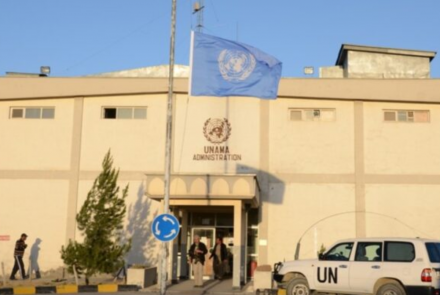
The United Nations Security Council has announced that it will vote next Monday on a draft resolution to extend the mandate of the United Nations Assistance Mission in Afghanistan (UNAMA) for an additional three months. This decision comes amid disagreements among council members over the duration of the extension.
According to published information, China has called for a one-year extension of UNAMA’s mission. However, the United States has rejected this proposal, insisting that the extension should be temporary and limited to three months. The U.S. cited the need to reassess the mission’s effectiveness and costs, noting that UNAMA is more expensive compared to some other UN missions and requires an efficiency evaluation.
In contrast, most Security Council members, along with Georgette Gagnon, the current head of UNAMA, have supported a one-year extension. They warned that a short-term extension might negatively affect staff morale and coordination, complicating the mission’s long-term plans.
Some members also expressed concern that a three-month extension could reduce the level of cooperation between the Taliban administration and UNAMA. This comes at a time when relations between the Taliban and international organizations have been marked by tension and restrictions for over four years, with numerous reports of impediments to the activities of international organizations across various regions.
The draft resolution calls on the UN Secretary-General to appoint a new head for UNAMA. Roza Otunbayeva’s mission ended in September 2025, after which acting leadership was assumed by her deputy, Georgette Gagnon.
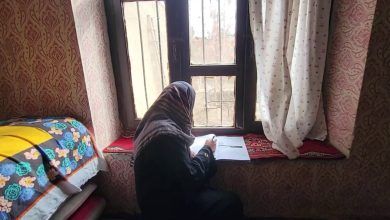
Additionally, the resolution emphasizes that the Taliban administration must lift restrictions imposed on Afghan women and girls, take effective action against terrorism threats, and strengthen arms management and control. These demands come amid ongoing widespread limitations on education, employment, and social participation for women, with the international community repeatedly warning about the consequences of these policies.