Humanitarian Crisis in Eastern Afghanistan: 20 Health Centers Closed Amid New Displacement Wave
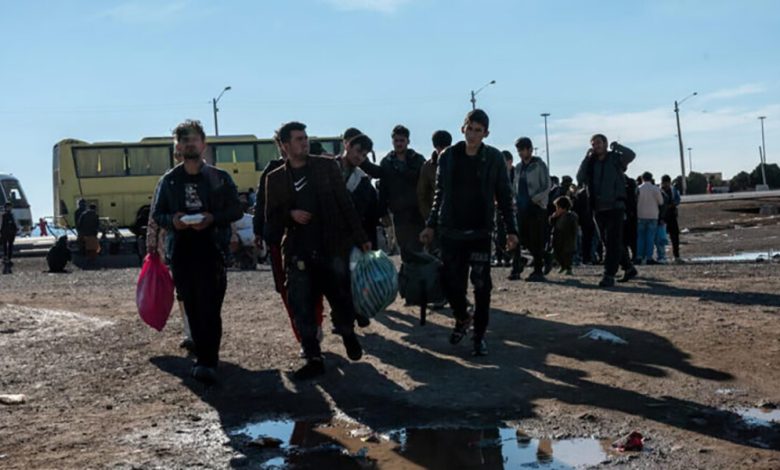
A recent humanitarian report warns that escalating tensions between Afghanistan and Pakistan have significantly worsened the security and humanitarian situation in several eastern and southeastern provinces of Afghanistan, forcing thousands of families to flee their homes.
According to a situation report published by ReliefWeb, the clashes and airstrikes that began in late February have affected areas along the disputed Durand Line. These areas are primarily located in eastern and southeastern provinces, regions that were already grappling with security challenges and shortages of essential services.
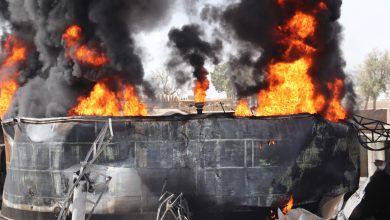
The report, citing the International Medical Corps (IMC), states that the exchange of fire, artillery shelling, and airstrikes have damaged civilian infrastructure. Health centers and some aid facilities are among those affected.
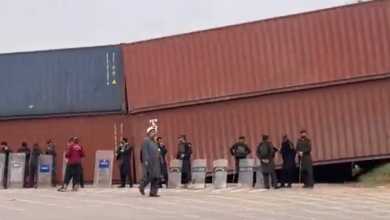
The fiercest fighting has been reported around the Torkham crossing in Nangarhar province, a crucial trade and transit route between the two countries. Continued insecurity in this area has disrupted not only civilian movement but also the transportation of goods and humanitarian aid.
Information indicates that several refugees have been injured due to the violence, and residents of the Amuri refugee camp near Torkham have been cautiously relocated to other locations. Civilian casualties, including women and children, have also been reported near refugee camps.
Relief organizations estimate that approximately 16,370 families, equivalent to nearly 114,590 individuals, have been newly displaced in the provinces of Paktia, Kunar, Nangarhar, Khost, Paktika, and Nuristan. When combined with families displaced by the 2025 earthquake in eastern Afghanistan, the total number of displaced families in this region reaches about 23,370.
This new wave of displacement has placed heavy pressure on the already fragile humanitarian situation. Many families have sought refuge in informal camps such as Shumash and Wadar in the Nurgal district of Kunar province, while others have stayed with host families where basic services like drinking water, sanitation, and health facilities were already insufficient.
Aid organizations report that ongoing clashes have also disrupted access to health services. The International Medical Corps has highlighted an urgent need for medical equipment, trauma treatment kits, and essential medicines for hospitals and frontline health centers along the Durand Line.
Reports reveal that at least 20 health centers in eastern and southeastern Afghanistan have been closed or suspended operations due to insecurity. Humanitarian agencies warn that without immediate assistance, internally displaced families face heightened risks of food insecurity and serious health problems. Immediate needs include food aid, emergency shelter, protective services, psychological support, and nutrition programs for children suffering from severe malnutrition.