Afghan Women Journalists Continue Covert Work Amid Restrictions and Threats
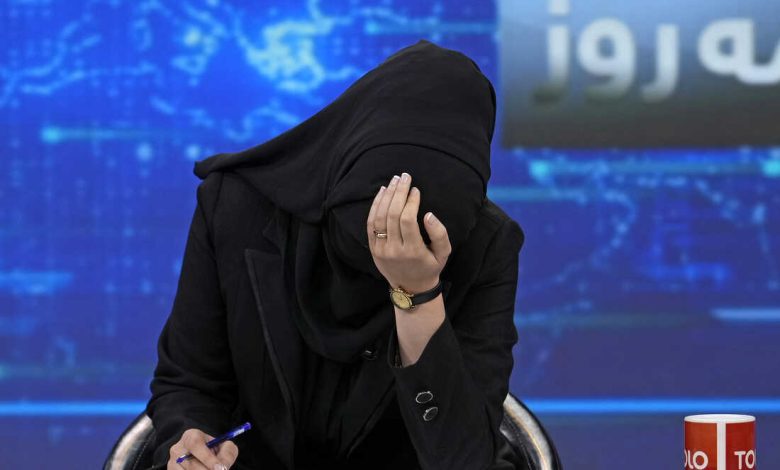
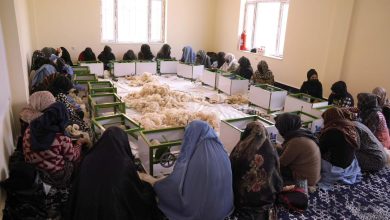
A 2025 survey by Afghanistan’s Media Support Organization (AMSO) reveals that a significant portion of women journalists in the country continue to work secretly, despite facing severe restrictions and threats. According to the findings, 32.7 percent of women journalists operate covertly, while only 6.9 percent are able to carry out their professional activities openly.
AMSO, which published the report on Sunday, March 7, stated that many women journalists use pseudonyms to protect their safety and communicate with media outlets through encrypted channels. These measures indicate that the working environment for women in the media sector has become extremely constrained and dangerous.
The survey also found that nearly 70 percent of women journalists feel compelled to self-censor to avoid threats and surveillance. They believe that intimidation, surveillance, and isolation are now part of their daily professional reality.
Over the past four years, the Taliban’s strict policies against the media, particularly targeting women journalists, have drastically limited their ability to work freely. This situation has drawn criticism from freedom of expression advocacy groups and raised concerns about silencing women’s voices in Afghan media.
AMSO emphasized that despite these pressures, women journalists continue to play a vital role in conveying information from Afghanistan, although these activities come at a heavy personal cost. The organization highlighted the necessity of supporting secure communication networks, providing mental health services, and recognizing the efforts of women journalists to safeguard the future of media in Afghanistan.