Amnesty International: Taliban’s New Penal Code Institutionalizes Violence and Discrimination
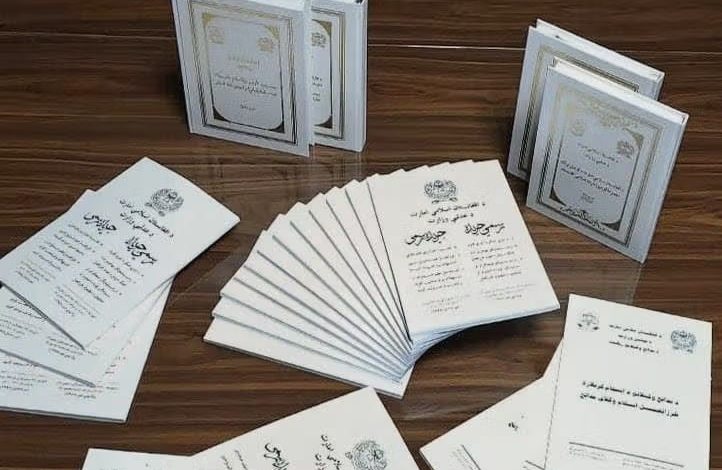
Amnesty International has stated that the Taliban’s newly introduced penal code institutionalizes violence and gender discrimination, steering the country’s legal framework towards greater authoritarianism. The organization has called on the international community to firmly condemn the decree and take action to halt human rights violations in Afghanistan.
According to Amnesty International, which released this legal analysis on Friday, March 5, the new penal code negatively affects human rights in at least seven key areas. These include women’s rights, freedom of religion and expression, international standards of fair trial, methods of punishment, equality before the law, and the status of social classes.
The report notes that, in addition to institutionalizing gender-based violence, the new decree also recognizes slavery. It foresees corporal punishments, torture, and other abuses, and expands the scope of the death penalty to cover more crimes—measures that are in conflict with Afghanistan’s international obligations.
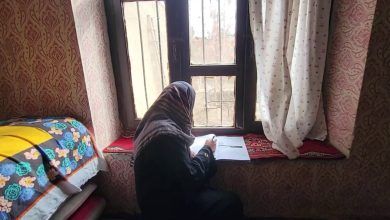
Samirti Singh, Amnesty International’s South Asia director, said the decree makes an already repressive regime even more brutal and authoritarian. She noted that women and girls would be among the most vulnerable groups, as some provisions normalize domestic violence and impose new restrictions on their mobility and independence.
She also warned that emphasizing strict enforcement of religious rulings and determining punishments based on social class structurally embeds discrimination and places the greatest burden on the country’s poorest and most marginalized populations.
Amnesty International has urged the Taliban administration to immediately repeal or amend the decree to align it with international human rights standards. The organization further called on the global community to move beyond verbal condemnation and apply practical pressure to end the widespread and systematic human rights abuses in Afghanistan.