Taliban Claims Kuwait Will Accept Its Diplomats for Afghan Embassy
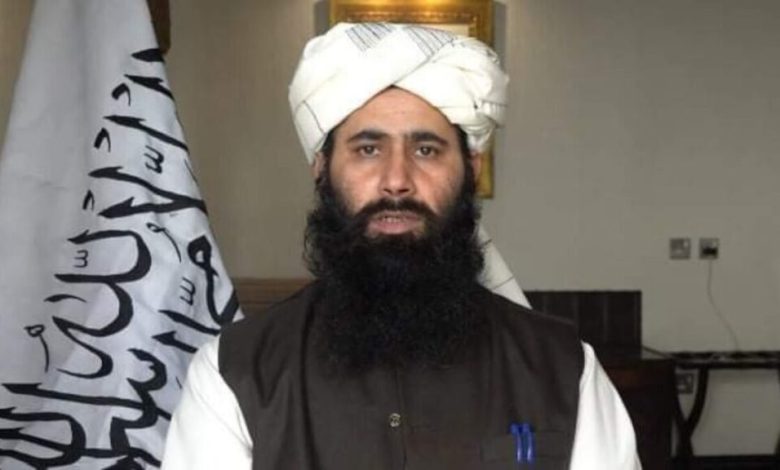
Naeem Wardak, Deputy of Finance and Administration at the Taliban Ministry of Foreign Affairs, has announced that Kuwait will soon accept diplomats appointed by the Taliban administration to operate at the Afghan embassy in Kuwait. So far, Kuwaiti government officials have not responded to this claim, and it has not been officially confirmed.
These statements come as India accepted a Taliban-appointed diplomat at the Afghan embassy in New Delhi earlier this year. Randeep Gairola, spokesperson for India’s Ministry of Foreign Affairs, stated in a press conference that the Taliban have appointed Noor Ahmad Noor as chargé d’affaires, and he will handle the embassy’s affairs accordingly. This move sparked reactions both inside and outside Afghanistan.
In the more than four years since the Taliban regained power, several countries including Iran, Russia, China, Uzbekistan, Pakistan, and some European nations have accepted Taliban-appointed diplomats at Afghan political missions. However, except for Russia, no country has officially recognized the Taliban’s governance.
Key conditions set by the international community for recognizing the Taliban administration include addressing increased terrorist threats, combating opposition armed groups, respecting human rights especially those of women and girls, and forming an inclusive government. Despite this, reports from international organizations continue to highlight widespread restrictions on fundamental rights and freedoms within the country.
Meanwhile, on February 12, the United Nations Security Council extended the mandate of the sanctions monitoring team overseeing the Taliban and entities threatening peace and security in Afghanistan for another year. This decision was adopted unanimously with 15 votes in favor through a resolution proposed by the United States.
According to this resolution, the so-called “1988 regime” sanctions on the Taliban will continue for another year, and travel exemptions for certain Taliban officials were not renewed. This action indicates that despite the Taliban’s diplomatic efforts, significant barriers to their formal international acceptance remain.