Pakistan Claims Presence of TTP Leaders in Afghanistan Amid Ongoing Cross-Border Attacks
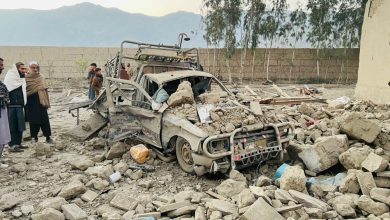
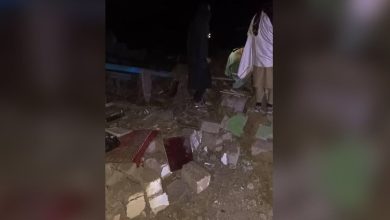
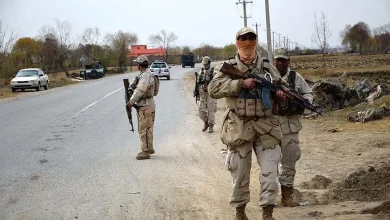
Pakistan’s Ministry of Information and Broadcasting has announced that its forces carried out retaliatory strikes targeting seven camps and hideouts belonging to the Tehrik-e-Taliban Pakistan (TTP) and affiliated groups, including ISIS-Khorasan, in border areas between Pakistan and Afghanistan. According to a Taliban official, these attacks on Saturday night, February 20, encompassed five districts in the provinces of Paktika and Nangarhar.
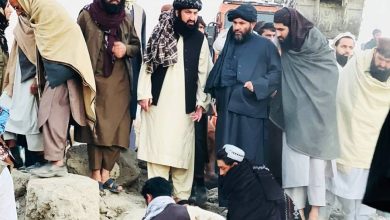
Based on the official’s statements, Pakistani warplanes bombed the districts of Bihsud, Khogyani, and Ghani Khel in Nangarhar, as well as the Bermal and Urgun districts in Paktika. So far, no details have been released regarding possible casualties or the extent of damage caused by the attacks.
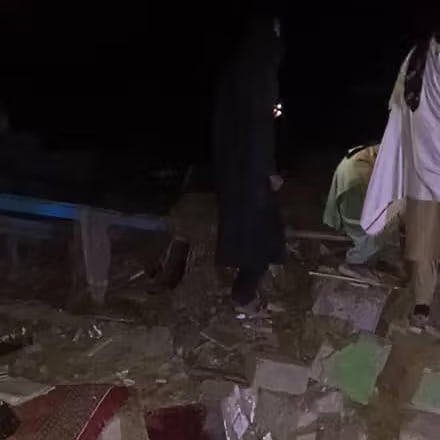
Pakistan’s Ministry of Information claimed in a statement that it possesses “conclusive” evidence showing that the TTP was responsible for an attack on a mosque in Islamabad and other security incidents in Bajaur and Bannu. The ministry also stated that the attack on Saturday, February 20, in Bannu, which resulted in the deaths of at least two Pakistani security personnel, was orchestrated by the same group.
The statement further alleged that these attacks were carried out by individuals whose leaders and coordinators are based in Afghanistan. Pakistan referred to the TTP as “Khawarij” and once again urged the Taliban administration to prevent the use of Afghan soil against Pakistan.
Islamabad emphasized that despite repeated efforts to encourage the Taliban administration to take concrete action, no “tangible and verifiable” measures have been implemented to curb the activities of anti-Pakistan militant groups operating inside Afghanistan. The ongoing situation has heightened concerns about escalating border tensions and their impact on residents of the border regions between the two countries.
The continuation of cross-border attacks and the absence of a transparent accountability mechanism have raised questions about how security can be ensured and militant activities prevented on Afghan soil.