Taliban-Pakistan Relations Strained Over TTP Tensions
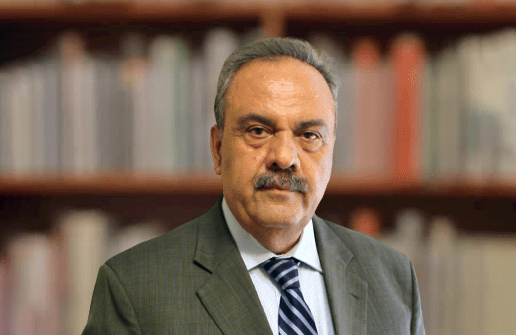
The Taliban administration’s insistence that the Tehrik-i-Taliban Pakistan (TTP) is an internal Pakistani issue has, according to a former Pakistani official, posed a serious threat to the prospect of stable relations between Kabul and Islamabad.
Asif Drani, former Special Representative of Pakistan for Afghanistan, wrote on his X page on Friday, July 18, that this stance has persisted since the Taliban regained control of Afghanistan, indicating the administration’s reluctance to take concrete action against the TTP.
He added that this approach has prevented the mediation efforts of countries such as Turkey, Qatar, Saudi Arabia, and China from yielding any tangible results in reducing tensions between the two sides.
According to Drani, the Taliban’s behavior suggests that it prioritizes maintaining relations with the TTP over addressing Islamabad’s security concerns—a situation that could further destabilize bilateral and regional relations.
The former Pakistani official also warned that this situation persists while the Taliban administration faces increasing internal challenges, including unrest in Badakhshan province.
The Tehrik-i-Taliban Pakistan is an armed group opposing the Pakistani government. Islamabad has repeatedly cited its presence and activities on Afghan soil as a primary security concern, which in recent years has become a central point of tension between the two sides.