17.4 Million People in Afghanistan Require Immediate Food Aid, UN Warns
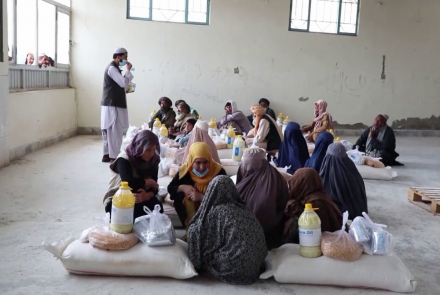
The World Food Programme’s latest report states that 17.4 million people in Afghanistan are in urgent need of food assistance, while the organisation can currently provide aid to only two million people each month due to budget constraints. The agency emphasises that the level of humanitarian needs in the country remains high, with millions struggling with severe food insecurity.
According to the report, unprecedented cuts to humanitarian funding have meant that aid is not being delivered at a scale sufficient to protect families from severe hunger. For the first time in decades, financial shortfalls are preventing a response at the required level.
The World Food Programme identifies Afghanistan’s unstable economy, restricted access to certain areas due to heavy snowfall, the large-scale return of migrants from Iran and Pakistan, and continued reductions in international aid as factors worsening the crisis. This situation places additional pressure on vulnerable families and diminishes their ability to meet basic needs.
Meanwhile, a spokesperson for the Taliban’s Ministry of Economy acknowledged that some people face serious needs due to climate change, ongoing droughts, returning migrants, and decreased humanitarian assistance. The spokesperson urged the international community to focus on creating job opportunities and support programmes.
Despite these statements, ongoing economic stagnation and the lack of effective domestic employment programmes have drawn criticism of the Taliban administration. Many citizens believe that without efficient economic management and job creation, widespread reliance on external aid will persist and the livelihood crisis will continue.
Previously, the United Nations Office for the Coordination of Humanitarian Affairs had launched the 2026 Afghanistan Humanitarian Response Plan in cooperation with partner agencies, aimed at addressing the urgent vital needs of the population and preventing further deterioration of the crisis.