UNICEF: Access to Safe Water Boosts Children’s Health and School Attendance in Afghanistan
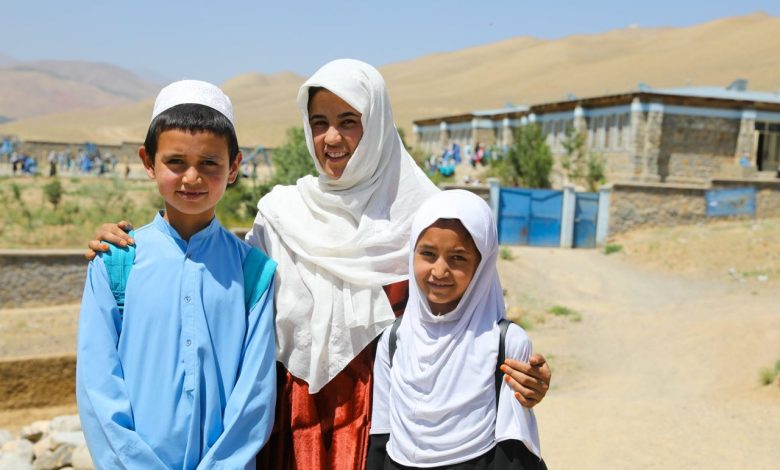
The United Nations Children’s Fund (UNICEF) has stated that access to safe water in Afghanistan can directly improve children’s health and increase their school attendance. On Thursday, 30th Dalw, the agency emphasized that the availability of safe drinking water prevents children from undertaking long walks to fetch water, allowing them more time for education.
According to UNICEF, the lack of safe water in many areas of the country forces families, especially children, to spend hours collecting water; a situation that threatens their health and disrupts their education. This challenge persists amid continuous droughts and declining water resources, which have put additional pressure on families.
UNICEF had previously warned that drought means deprivation of safe drinking water for children and families. According to the organization’s report, access to safe water is severely limited for millions of Afghan citizens, with eight out of every ten Afghans drinking contaminated water.
Humanitarian experts stress that providing safe water is one of the most basic public services, and responsible bodies, including the Taliban administration, are obligated to take practical and immediate measures to improve water infrastructure and manage water resources. They warn that the continuation of the current situation will inflict the greatest harm on children.