Taliban Ban on Pakistani Drugs Sparks Shortages and Price Hikes in Afghanistan
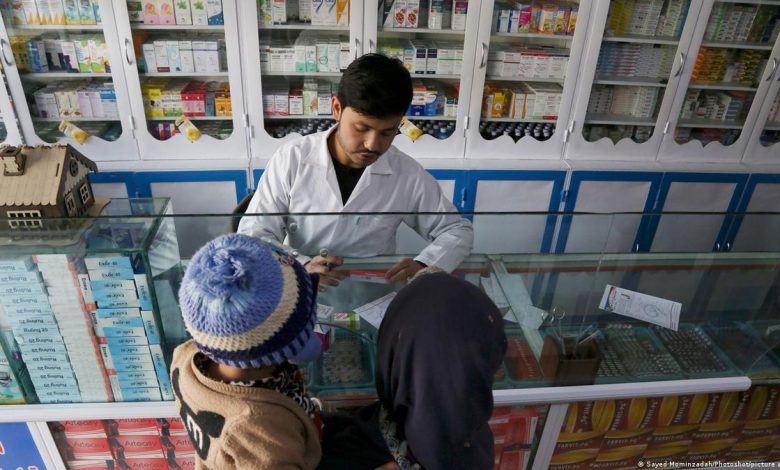
The Taliban administration’s recent ban on importing Pakistani medicines has caused significant shortages and soaring prices in Afghanistan’s pharmaceutical market. On Monday, the 27th of Dalw, AFP reported that this move disrupted the drug supply chain and considerably increased costs.
According to the report, medicines must now be sourced from other countries, a process that has lengthened delivery times and raised transit costs as well as logistical complexities. Previously, transportation accounted for about six to seven percent of the total drug cost, but this figure has now surged to 25 to 30 percent.
As a result of these changes, losses incurred by traders and pharmacy owners have reached millions of dollars. The rising expenses come amid widespread complaints from citizens across many provinces about difficulties obtaining essential medicines, heightening concerns over the impact on patients.
The Taliban’s Ministry of Public Health cited the presence of “fake and counterfeit” medicines from Pakistan as the reason behind the ban. The ministry stated that China, India, Iran, Uzbekistan, Bangladesh, and Belarus have been identified as alternative sources, with India—previously the second-largest supplier—potentially becoming the primary one.
Last week, the Taliban’s Ministry of Finance also announced the prohibition of Pakistani drug imports at all customs points nationwide. Despite these decisions, the Taliban authorities have yet to provide clear details on how they plan to prevent shortages and control medicine prices, a matter that is expected to require greater accountability.