UNODC Calls for Diverse Funding Sources to Prevent Opium Poppy Cultivation Resurgence in Afghanistan
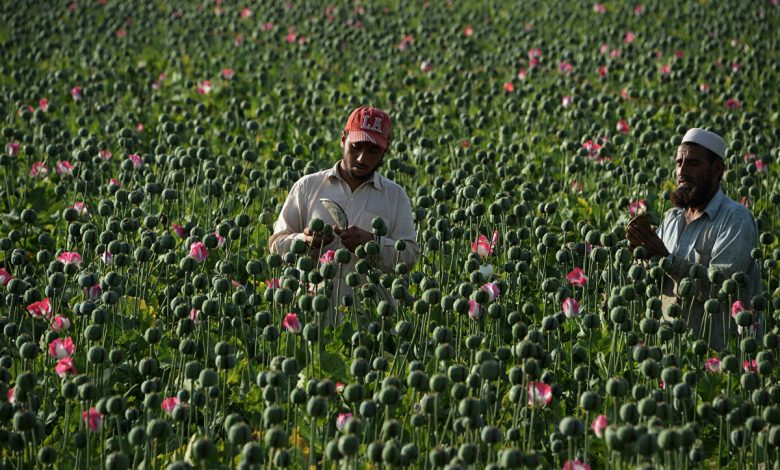
The United Nations Office on Drugs and Crime (UNODC) has stated that preventing the resurgence of opium poppy cultivation in Afghanistan cannot rely solely on humanitarian aid and requires diversified funding sources and sustainable investment. The agency emphasized that alternative development must be based on trade growth and strengthening the private sector.
According to UNODC, alternative cultivation programs will only succeed when real employment opportunities, sustainable investment, and market access for the legal incomes of farmers are provided. Without such conditions, the risk of farmers returning to opium poppy cultivation remains.
In recent years, Afghanistan has been one of the largest global producers of opium poppy, with the economy of many rural areas dependent on this cultivation. Experts believe that without creating reliable and long-term economic alternatives, bans alone cannot provide a sustainable solution.
Meanwhile, after returning to power, the Taliban administration announced a ban on opium poppy cultivation. However, international organizations have repeatedly stressed that for this trend to endure, development programs, access to regional markets, and practical support for farmers must be prioritized. The absence of a comprehensive and transparent economic strategy has heightened concerns about the future livelihoods of residents in agricultural regions.