Taliban Confirms Detention of Two US Citizens Amid Rising Tensions with the West
The Taliban administration has confirmed the detention of two American citizens amid ongoing tensions between Kabul and the West. The US president’s special envoy for hostage affairs called the detentions “hostage-taking” and demanded their immediate end.
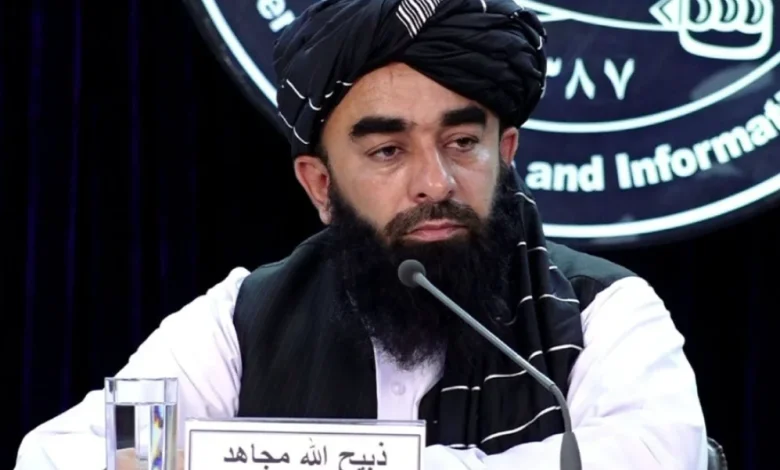
Zabihullah Mujahid, the Taliban spokesman, told the media that the individuals were detained due to “legal violations” and emphasized that their cases should be resolved through dialogue and consultation. He added that American citizens are present daily in various institutions and even as tourists in Afghanistan, and those who violate the law will face consequences.
In response, Adam Bohrer, the US president’s special envoy for hostage affairs, wrote on the social media platform X that the Taliban administration must put an end to any hostage-taking. Previously, the US deputy representative to the United Nations claimed in a Security Council meeting on sanctions monitoring that detainees were being used as leverage in negotiations, a claim that received strong condemnation from the Security Council.
These developments come more than four years after the end of the US military presence in Afghanistan. However, sanctions, international restrictions, and the issue of foreign detainees continue to be among the most challenging aspects of Kabul’s relations with the West. The Taliban administration says Western policies have not changed and continue to follow wartime approaches.
Mujahid also described the sanctions as a cause for depriving the Afghan people of financial rights and global interaction. He claimed that these pressures have not changed the Taliban’s policies. However, critics believe that the continued detention of foreign nationals and widespread internal restrictions have contributed to Afghanistan’s ongoing international isolation.
Regarding tensions with Pakistan, the Taliban spokesman said that Afghanistan is prepared to defend itself but does not seek conflict with any country and views dialogue as the essential solution.