Over Two Million People Receive Health Services in Afghanistan in 2025, Red Cross Federation Reports
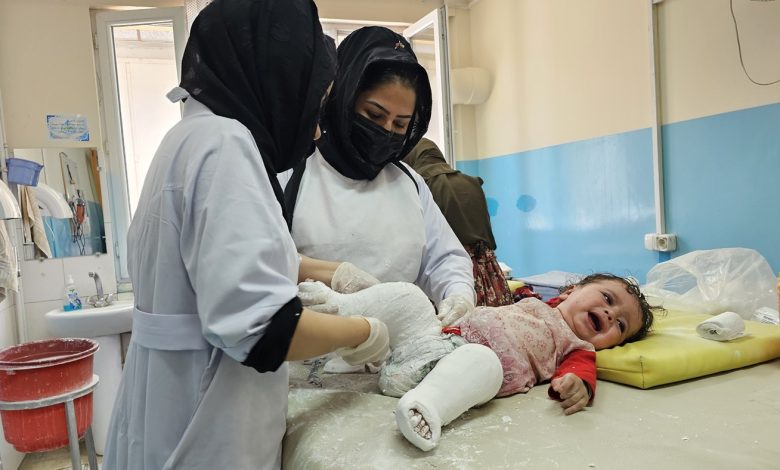
The International Federation of Red Cross and Red Crescent Societies has announced that in 2025, more than two million patients in Afghanistan received health services provided by the organization. According to a report published on Saturday, 14 February, these services were delivered through 128 health centers funded by the federation.
The report stated that Afghanistan faced continuous crises in the past year, including the large-scale return of refugees, natural disasters, and drought, factors that have increased pressure on the country’s health system. Under such circumstances, the need for humanitarian assistance remains high.
According to the information provided, 60 percent of the health service recipients were women and girls. Additionally, in the past year, 13,000 people received psychosocial support services, with 83 percent of them being women—statistics that indicate the heightened vulnerability of women in the current situation. This comes as restrictions imposed by the Taliban administration on women’s education and work have raised concerns about their sustained access to essential services.
The Red Cross Federation added that 926,651 people participated in awareness sessions on health and hygiene, 65 percent of whom were women and girls. According to the organization, these programs have played an important role in enhancing community awareness about diseases and hygiene practices.
In the area of cash assistance, more than 165,000 individuals have received aid, with 3.7 million Swiss francs allocated to meet the urgent needs of families, including food, health services, and shelter. Moreover, over 222,000 people in the border areas of Herat, Nangarhar, and Kandahar have benefited from shelter assistance, where temporary accommodations have been provided for returnees and vulnerable families.
Earlier, the United Nations had warned that Afghanistan would face one of the world’s largest humanitarian crises again in 2026, highlighting the critical need for continued international aid and effective crisis management.