Taliban Unveil Book ‘Allegiance to Amir al-Mu’minin’ in Bamyan
The Taliban administration in Bamyan province has announced the unveiling of a book titled “Allegiance to Amir al-Mu’minin” during a so-called “scientific” gathering attended by several officials from the administration and Bamyan University staff. At the event, local Taliban officials emphasized promoting and implementing the contents of the book.
According to a statement from the office of the Taliban governor in Bamyan, Gul Haidar Shafaq, the governor, described obedience to the orders and commands of Mullah Hibatullah Akhundzada, the Taliban leader, as essential and called for the “proper” execution of the book’s content across society. The Taliban use the title “Amir al-Mu’minin” (Commander of the Faithful) in reference to their leader.
Meanwhile, Rahmatullah Mubarez, head of the Taliban intelligence in Bamyan, also stressed the practical application of the book “Allegiance to Amir al-Mu’minin” during the gathering. The released statement did not provide details about the author or the process of writing the book.
The publication and promotion of such works are seen as part of the Taliban administration’s efforts to strengthen ideological loyalty and foster a culture of absolute obedience to the group’s leader—a stance that some critics argue restricts intellectual diversity and free citizen participation in public affairs.
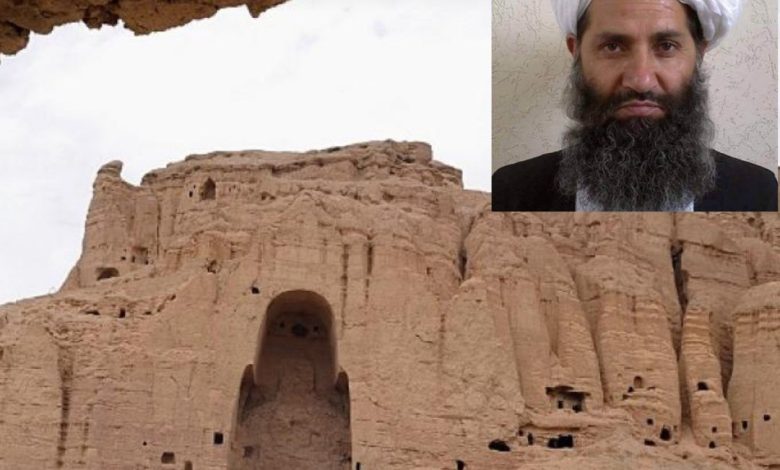
These actions are unfolding in Bamyan, a province with a distinct cultural history. During their first regime, the Taliban destroyed two historic Buddha statues in this province, known as “Sal Sal” and “Shamama,” which were part of Afghanistan’s cultural heritage. Currently, the expansion of ideological programs in the area has raised concerns about narrowing cultural and academic freedoms in Bamyan.