US Federal Court Orders Immediate Resumption of Special Visa Cases for Afghan Allies
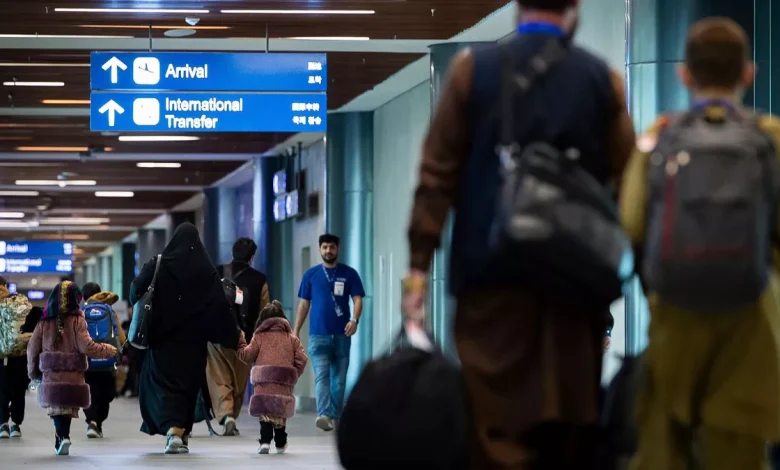
A federal court in the United States has ordered the Donald Trump administration to immediately and timely resume processing Special Immigrant Visa (SIV) applications for Afghan allies of the US. This ruling comes amid ongoing extensive travel restrictions that continue to prevent Afghan citizens, especially refugees, from entering the US.
The International Refugee Assistance Project (IRAP) announced that this order was issued following a class-action lawsuit filed by “Afghan and Iraqi allies” against US Secretary of State Marco Rubio. The lawsuit focuses on the prolonged halt and slowdown of cases that the US Congress had previously emphasized must be expedited.
According to the court ruling, processing of applications by the Chief of Mission (COM), which is the first stage in the SIV application process, must begin without interruption for these applicants. The judge stressed that the US government is not permitted to unilaterally suspend this critical stage.
According to IRAP, Judge Chutkan wrote in her ruling that the Trump administration officials “have no lawful or unlawful authority” to suspend processes that Congress has mandated to be expedited. The court also scheduled a hearing for February 24 to require the government to explain how it plans to improve the processing of these cases in compliance with the court’s order.
IRAP represents a group of Afghan and Iraqi nationals who have collaborated with US missions and programs in their countries and now face serious security risks due to delays.
Kambriell Graney, the lawyer for IRAP, responding to the court’s decision, said it is a clear effort to compel the US government to adhere to its legal obligations. She emphasized that many Afghan allies have been waiting years for their cases to be processed while still facing serious threats, including those posed by Taliban control.
After returning to the White House, Donald Trump signed executive orders that halted some US refugee programs, including the P-1 and P-2 categories. These decisions directly slowed the processing and resettlement of Special Immigrant Visa holders, drawing widespread criticism from human rights organizations and refugee advocates.