Red Cross: Millions in Afghanistan Depend on Humanitarian Aid Amid Growing Crisis
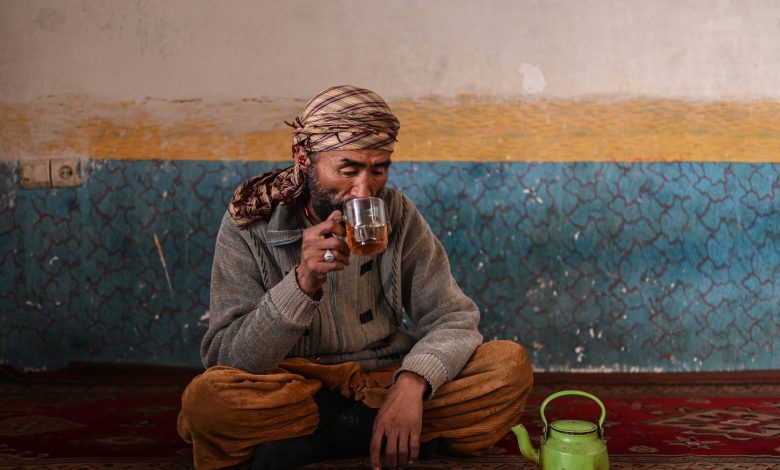
The International Committee of the Red Cross (ICRC) has reported that millions of people in Afghanistan remain dependent on humanitarian aid to survive and meet their basic needs, with this dependency continuing to rise.
On Monday, the 20th of Dey, the organization stated that widespread poverty, decades of conflict, and the impact of climate change—including droughts, floods, and earthquakes—have significantly reduced families’ capacity to cope with crises and increased the population’s vulnerability.
According to the report, food insecurity, limited access to healthcare services, and a shortage of clean drinking water are major challenges that have made a large segment of Afghanistan’s population reliant on external assistance. This situation persists amid the absence of effective and responsive planning by the Taliban administration.
The Red Cross added that in 2025, in collaboration with the Afghan Red Crescent Society, extensive services have been provided, with over 1.2 million patients—most of whom were women and children—receiving primary care at 47 health centers. Additionally, more than 337,000 vaccine doses have been administered.
The report also highlights that over 9,000 children suffering from malnutrition have been covered under nutrition programs, although these efforts are considered insufficient given the vast needs.
Emphasizing the ongoing humanitarian crisis in Afghanistan, the International Committee of the Red Cross has urged the global community to sustain support to prevent further suffering and strengthen the resilience of vulnerable communities.