Taliban Introduces Harsh Penalties for Drug Offenses in New Penal Code
According to the Taliban’s new penal code, specific punishments have been set for drug users, including imprisonment of up to six months depending on the addict’s condition. The document declares the decisions of Taliban primary courts in drug-related cases as final, eliminating the accused’s right to appeal.
The code stipulates prison terms ranging from one to seven years for drug dealers. It also lists various substances, including heroin, opium, hashish, ‘KA’ tablets, wine, Tramadol, and others classified as narcotics, with separate penalties assigned for each.
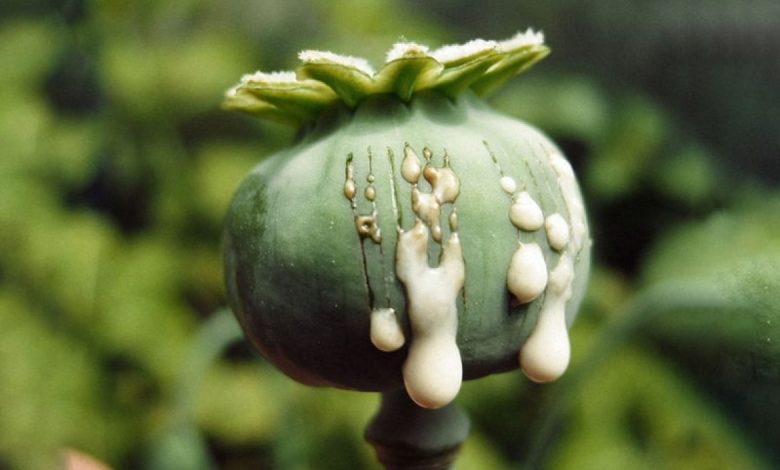
A significant portion of the code focuses on punishments related to the cultivation and possession of narcotics. For instance, cultivating opium poppy or cannabis on half a jerib (approximately 500 square meters) of land results in six months to one year of imprisonment, with the size of the land influencing the severity of the punishment.
According to the document, possession of up to five grams of narcotics results in a one-year prison sentence; possession of more than five up to 30 grams leads to two years; more than 30 up to 100 grams leads to two and a half years; and possession exceeding 100 grams adds six months for every additional 100 grams. However, the maximum prison term in all cases is capped at seven years.
Removing the right to appeal and considering the primary court’s verdict as final have raised concerns about violations of fair trial principles. This could seriously jeopardize the rights of the accused and create opportunities for abuse in implementing punishments.
Meanwhile, a recent report by the United Nations Office on Drugs and Crime indicates that drug consumption patterns in Afghanistan are changing, shifting from traditional substances to synthetic narcotics and medical drugs. According to UNODC statistics, 46% of users consume hashish, 19% opium, 11% ‘KA’ tablets, and 7% methamphetamine.