Taliban Agrees to Expand Religious Education Programs in Afghan Prisons
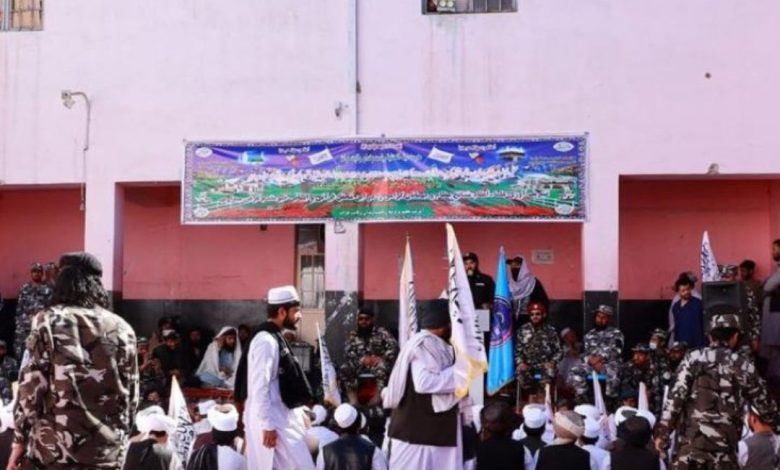
According to reports from Taliban-controlled media, the Ministry for the Promotion of Virtue and Prevention of Vice, under the Taliban administration, has reached an agreement with the Department of Prisons to expand religious education programs in Afghanistan’s prisons. These programs include Quranic interpretation and translation lessons, and have already been launched in Kabul and several provinces.
The Ministry claims that these educational efforts aim to “reform and intellectually nurture” prisoners. Officials emphasize that religious education can play a constructive role in the mental rehabilitation of incarcerated individuals.
However, critics argue that over recent years, the Taliban administration has promoted religious teachings in prisons based on its extremist interpretation of Islamic law. Now, this approach is being pursued not sporadically but through an official agreement between relevant prison authorities, raising concerns about the instrumentalization of religion.
Before the Taliban’s return to power, religious education existed in Afghan prisons but was conducted with an emphasis on moderation, avoiding the promotion of violence or war. Experts note a fundamental difference in the current approach: imposing a particular ideological and doctrinal interpretation of religion on prisoners.
The Taliban has expanded these programs at a time when thousands of Afghan citizens—including intellectual, political, ideological, and military opponents—are detained. Simultaneously, the administration is focusing on expanding religious schools and increasing religious curricula in schools and universities, allocating significant resources to this sector.
These concerns are heightened due to the Taliban’s history. During the republican era, the group recruited a significant portion of its fighting forces from religious schools and mosques, and used clerics for military purposes. Critics warn that continuing this approach could have serious consequences for Afghanistan’s intellectual and social future.