US Aid Cuts Deepen Afghanistan’s Humanitarian Crisis, Triggering Health Service Closures and Child Hunger
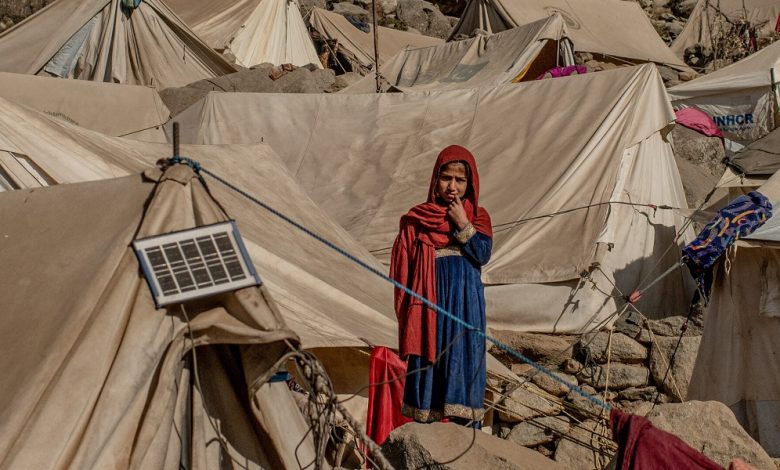
A sharp reduction in US aid has deepened the humanitarian crisis in Afghanistan, leading to the closure of hundreds of health centers and an unprecedented rise in child hunger. According to a New York Times report, the current situation is among the worst the country has faced in 25 years, posing a serious threat to millions of residents.
The report states that following the Taliban’s takeover in 2021, US aid averaged nearly one billion dollars per year. However, with the dissolution of the US Agency for International Development (USAID) during Donald Trump’s presidency, this funding nearly vanished. This reduction has directly impacted essential services such as healthcare and nutrition.
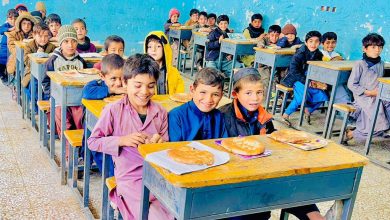
The World Food Programme has warned that around four million Afghan children are at risk of death due to malnutrition. Simultaneously, the closure of approximately 450 health centers, particularly in remote areas, has deprived families of basic medical services.
In the Daikundi province, the closure of local clinics has been linked to preventable maternal deaths and increased child mortality. These cases illustrate how the lack of health services directly threatens the lives of rural inhabitants.
Across the country, more than 17 million Afghans—nearly 40 percent of the population—face severe food insecurity, with reports indicating that seven provinces are nearing famine conditions. These circumstances have significantly heightened the concerns of humanitarian organizations.
According to the New York Times, the widespread expulsion of Afghan migrants from Iran and Pakistan, deadly earthquakes, and ongoing drought have further complicated the crisis. While some other donors and domestic organizations have attempted to fill the gap, their efforts remain far below the previous levels of US assistance.
Humanitarian agencies warn that the consequences of this situation could be long-lasting. Researchers cited in the report say that sustained malnutrition could damage an entire generation—a harm not easily reversed even if aid resumes.
In contrast, Zabihullah Mujahid, the Taliban spokesman, dismissed the report’s findings as inaccurate, claiming the country’s situation is not as dire as described. He asserted that the economic conditions are improving, some jobs have been created, and efforts to revive economic resources continue. Nevertheless, independent bodies and international organizations continue to warn about the realities on the ground and the vulnerable status of millions of Afghans.