Taliban Calls for Expanded Regional Cooperation in Fight Against Drugs
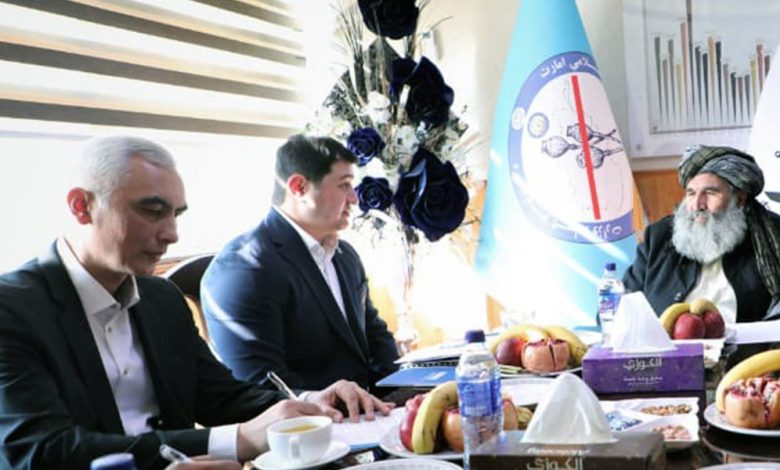
The Deputy Minister for Counter Narcotics of the Taliban’s Ministry of Interior emphasized the development of joint cooperation in combating drugs between Afghanistan and regional countries during a meeting with the head and an advisor of the Central Asian Regional Information and Coordination Centre (CARICC).
Abdul Rahman Munir, in this meeting, welcomed the CARICC delegation and stated that the Taliban administration, especially in the field of anti-narcotics, seeks comprehensive cooperation with neighboring countries and Central Asia and is striving to strengthen these coordination efforts.
In response, officials from the Central Asian Regional Information and Coordination Centre assured that they will cooperate with the Taliban administration to establish more effective coordination in the fight against drugs.
Simultaneously, the “National Survey on Drug Use in Afghanistan,” published as the third and final volume of this research, indicates that the pattern of drug consumption in the country is changing. According to the report, although hashish at 46% and opium at 19% remain the most widely used substances, the consumption of “Ka” tablets at 11% and methamphetamine (crystal meth) at 7% is on the rise.
This survey was conducted with the support of the United Nations Office on Drugs and Crime (UNODC) and the United Nations Development Programme (UNDP). In its latest report, UNODC also warned that drug use in Afghanistan is gradually shifting from traditional drugs toward synthetic substances and the abuse of medicinal drugs; a development that has increased concerns about the effectiveness of the Taliban administration’s policies and practical measures to control this trend.