UNDP Warns of Afghanistan’s National Development Strategy Failure Without Resolving Structural Challenges
The United Nations Development Programme (UNDP) has warned that Afghanistan’s National Development Strategy for 2025 to 2030 has little chance of achieving its set goals if deep structural challenges are not addressed.
In an analysis of the first national development plan since the Taliban’s return to power in 2021, the organization stated that while the strategy provides a framework for allocating limited domestic resources in the absence of international aid, it faces serious obstacles.
According to the document, the National Development Strategy aims for an annual economic growth rate of three to five percent, a ten percent increase in exports, attracting five billion dollars in foreign investment by 2030, and the expansion of infrastructure, energy, and extractive industries.
However, UNDP emphasized that the convergence of multiple crises—including lack of international recognition, a dire humanitarian situation, the mass return of refugees, and the impacts of climate change—poses significant risks to the plan’s implementation.
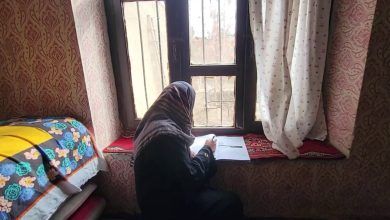
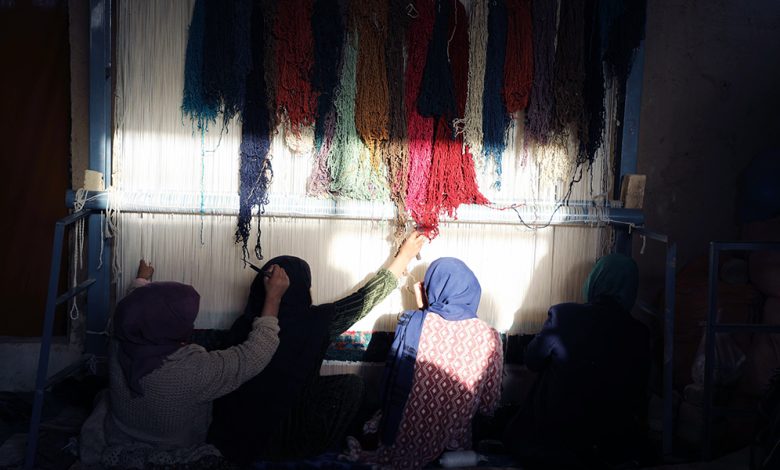
The organization highlighted two fundamental barriers: extensive restrictions on women and a severe energy shortage. UNDP noted that the ban on girls’ education along with limitations on women’s work and mobility have dramatically reduced women’s economic participation, making sustainable economic growth and inclusive prosperity impossible.
In the energy sector, the report warns that severe electricity insecurity—with current production around 0.7 gigawatts compared to the country’s 5 gigawatt demand—has severely undermined industrial development and the manufacturing sector.
UNDP concluded that without lifting restrictions on women and closing the large energy deficit, Afghanistan’s National Development Strategy will remain largely an aspirational document without leading to real change.
The Taliban administration had not issued an official response to the UNDP assessment by the time this report was published.