Residents of Badakhshan Protest Taliban Administration’s Alleged Injustice
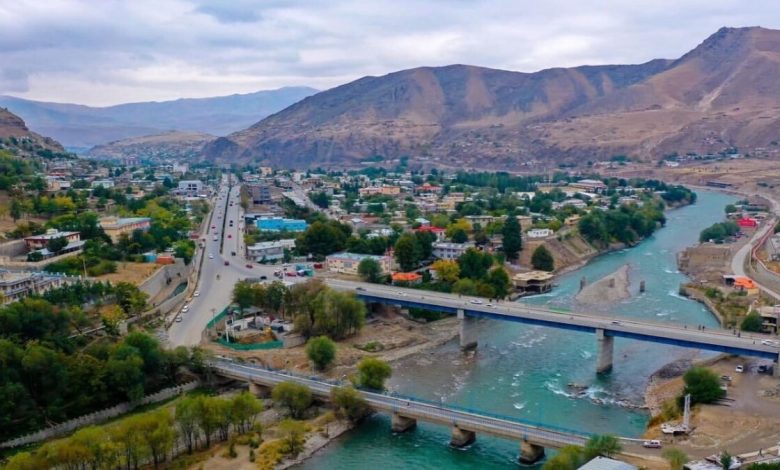
Dozens of residents from the remote village of Sholir Payan in Yaftal district, Badakhshan province, took to the streets on Sunday to protest what they described as “injustice and bullying” by members of the Taliban administration. Women were also among the protesters, demanding immediate attention to their problems.
According to the protesters, an individual affiliated with the Taliban administration has been putting pressure on them, forcing dozens of families to leave the village. They say this ongoing situation has disrupted normal life and caused serious difficulties for the families.
Local residents say they have repeatedly visited the district office to request an investigation and the delivery of justice; however, they claim no response has been received and their voices remain unheard. This comes amid significant restrictions on access to independent judicial and legal institutions in many parts of the country.
As of the time of this report, Taliban officials in Badakhshan have not responded to the protests or the claims made by the residents.