Nearly 3,000 Killed or Injured in First Year of Taliban Rule in Afghanistan, Rights Group Reports
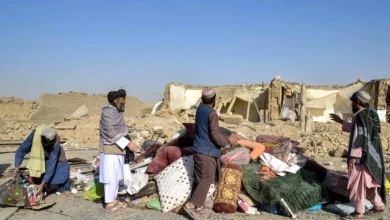
Ravadasi, a human rights organization, has reported that in the first year of Taliban rule in Afghanistan, at least 2,932 people were killed or injured due to targeted attacks and explosions.
The report, published on Saturday, January 30, reviews the human rights situation from August 15, 2021, to August 15, 2022, and presents a concerning picture of the security of citizens and the performance of governing bodies.
According to the findings, targeted attacks included the killing of 210 former government employees, among whom were judges, defense lawyers, and civil activists—individuals who played key roles in the country’s legal and civil system.
The report further states that some victims were killed after detention, with their bodies thrown into rivers or hung from trees, raising serious questions about the Taliban administration’s respect for human dignity and accountability.
Ravadasi also noted that during this one-year period, 916 individuals were arbitrarily and unlawfully detained, including former military personnel, journalists, and civil activists—groups especially subjected to restrictions and pressure.
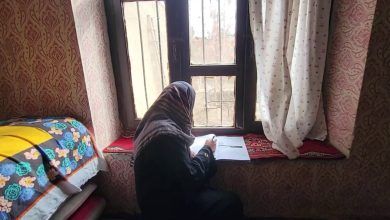
Within this timeframe, at least 17 women were killed, nine women disappeared, and 73 others were detained—figures that highlight increasing concerns over the security and rights of women in the country.
The report added that the rights of ethnic and religious minorities were severely violated, with over 800 families forcibly displaced from their main areas in Daikundi province.
Ravadasi emphasized that following the collapse of the judiciary after 2021, more than 2,000 judges were removed from office and replaced by Taliban affiliates—actions that call into question judicial independence and citizens’ access to justice.
Meanwhile, human rights organizations warn that in the coming years under Taliban rule, the scope and severity of human rights violations are likely to expand, with rising concerns about the future of fundamental rights for Afghan citizens.