EU Allocates €10 Million to Empower Afghan Women Economically
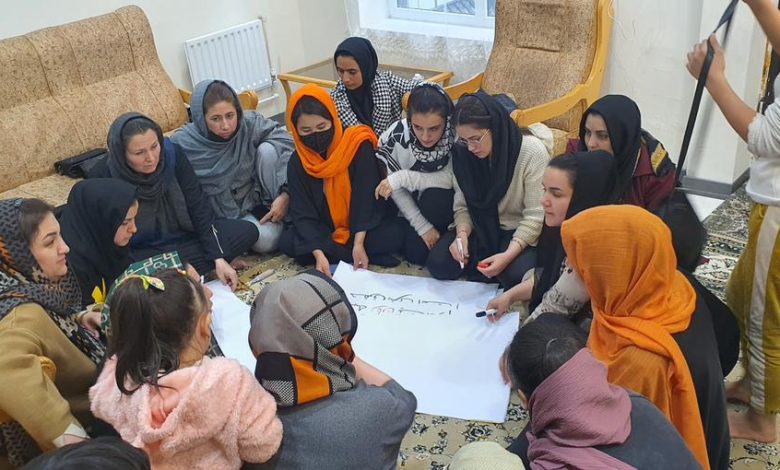
The European Union has announced it is allocating a fresh budget of €10 million to launch the second phase of its economic empowerment program for women in Afghanistan. The initiative focuses on creating income opportunities and strengthening the livelihoods of women amid widespread economic and social restrictions.
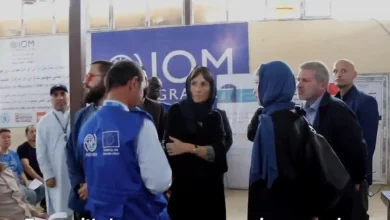
According to the released information, the program will be implemented in cooperation with the United Nations Development Programme (UNDP) and several local organizations, aiming to provide practical support for the economic role of women, especially in underprivileged areas of Afghanistan. The EU stated that the implementation agreement for this phase has been signed with the UNDP, and activities are planned across several provinces.
The EU press release noted that the project includes financial mechanisms compatible with Islamic Sharia and local culture. Additionally, it encompasses business development support, mentorship programs, and linking women entrepreneurs to markets.
Fariba Nouri, head of the Women’s Chamber of Commerce and Industry, described these aids as important for women new to the business sector, stating that such support could address some of the immediate needs of women breadwinners and help improve family economic conditions.
Meanwhile, a number of women entrepreneurs in Kabul say that despite the restrictions imposed by the Taliban administration on women’s work and social activities, this type of international assistance can offer thousands of Afghan women opportunities to continue working and achieve relative self-sufficiency.
They emphasize that alongside the role of international organizations, the primary responsibility lies with the Taliban administration to lift restrictions and provide the necessary facilities to enable effective women’s participation in the country’s economy – a matter that has so far been seriously neglected.
Asma Sharifi, one of the women entrepreneurs, says that despite existing challenges, women play a vital role in the economic cycle and, with access to financial and legal support, can make a significant contribution to strengthening the local economy. Zainab, another entrepreneur, identified initial capital and cooperation from responsible institutions as fundamental needs for the sustainability of women’s small businesses.