US Unveils New Defense Strategy Focusing on Western Hemisphere While Maintaining Security Concerns on Iran
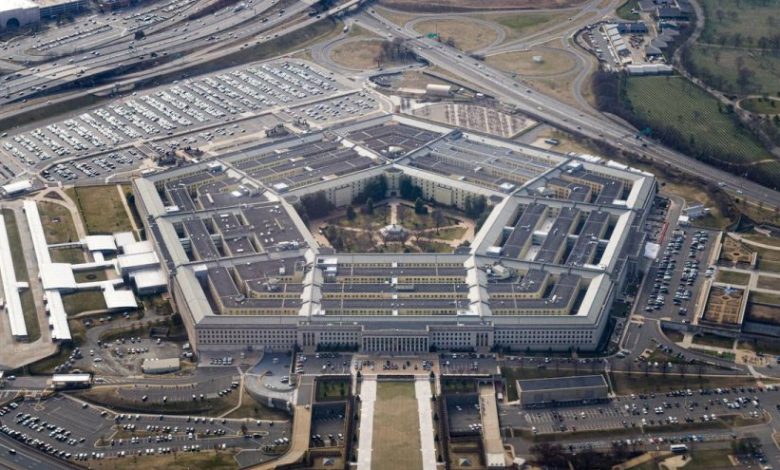
The United States Department of Defense has revealed its new defense strategy document, highlighting a shift in Washington’s security priorities by moving its primary focus toward the Western Hemisphere, while the Middle East, particularly Iran, remains at the center of its security considerations.
In this document, Iran is described as a “persistent strategic challenge.” According to the strategy text, Washington assesses that despite pressures and tensions in recent years, Tehran is attempting to rebuild its military capabilities and armed forces structure. This assessment fits within the framework of the US’s security perspective on Middle Eastern developments and underscores continued defense concerns.
The US defense document also accuses Iran and its regional allies of contributing to successive crises. It states that, from Washington’s viewpoint, the consequences of this situation extend beyond regional instability and pose a threat to US forces deployed in the area. These claims come amid ongoing criticisms that America’s military-focused approaches have consistently escalated tensions in the Middle East.
Another significant aspect of the strategy highlights a transformation in the US role on the Korean Peninsula. The Department of Defense anticipates transferring greater defense responsibilities to South Korea, aiming to free up American forces for a more active presence in other sensitive areas, including East Asia.
The new document also emphasizes “ensuring US dominance in the Western Hemisphere” as a key priority. Under this approach, Washington considers securing its military and commercial access to strategic routes and regions vital, naming the Panama Canal and Greenland as important points within this framework.
Finally, the updated US defense strategy proposes a redefinition of relations with traditional allies. The document criticizes the longstanding dependence of allies on US military support and calls on them to take greater responsibility for their own security. This marks a noticeable shift in Washington’s intervention methods and global security focus.