Jaafar Mahdavi Meets Taliban Opponents in Turkey for Dialogue Talks
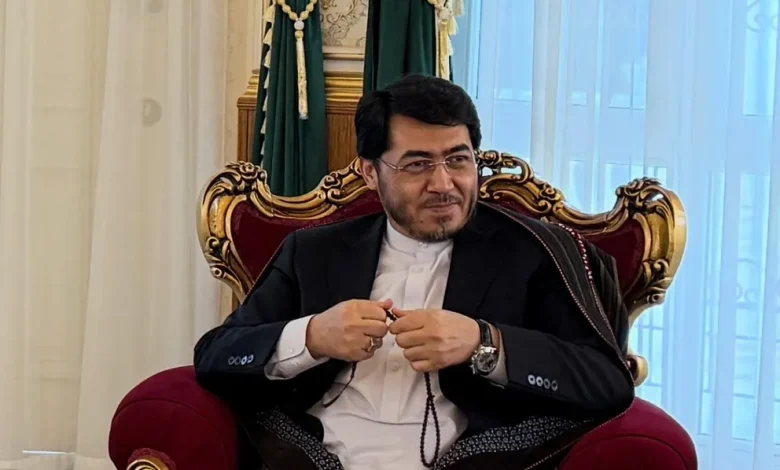
Media sources have reported that Jaafar Mahdavi, a former member of parliament and a prominent Hazara political figure who collaborates with the Taliban administration, met with several political leaders opposing the Taliban during his latest trip to Turkey. According to these sources, the trip was likely approved and greenlit by the Taliban administration.
Based on available information, the main goal of these meetings was to explore the possibility of political leaders returning to Afghanistan and initiating a dialogue process between the Taliban administration and political opposition. Sources emphasize that Mr. Mahdavi carried out this mission through confidential consultations and with the Taliban’s consent.
During this trip, Jaafar Mahdavi met with Abdul Rab Rasul Sayyaf, Karim Khalili, Abdul Rashid Dostum, Mohammad Mohaqiq, Mir Rahman Rahmani, former speaker of parliament, Almas Zahid, former member of parliament, and several other exiled Afghan politicians. In recent years, Turkey has become one of the main centers for the residence of traditional leaders opposing the Taliban.
This is reportedly Mr. Mahdavi’s several trip to Turkey; the visit was conducted secretly, and so far, specific details about the discussions have not been disclosed. Sources say the Taliban administration, compared to the past, has increasingly recognized the need for dialogue with political factions and figures.
According to these sources, the Taliban’s concern over worsening tensions with Pakistan and the potential growing closeness of political opponents to Islamabad is one of the key factors intensifying these contacts. However, it remains unclear which official or entity within the Taliban administration Mr. Mahdavi was representing when delivering messages to these leaders.
These developments occur shortly after Sirajuddin Haqqani, the Taliban’s interior minister, stated that Afghanistan is a land of jirgas and dialogues and that the remaining problems from the “occupation” period must be resolved through negotiation. Critics consider these remarks largely rhetorical and call for practical transparency in the dialogue process and guarantees for citizens’ political and civil rights.