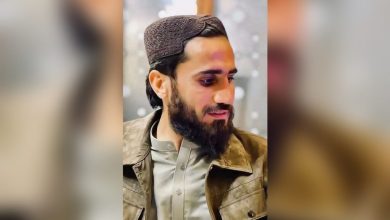
Taliban Calls Killing of Abdul Qadir Pahlawanzada in Herat a Personal Matter
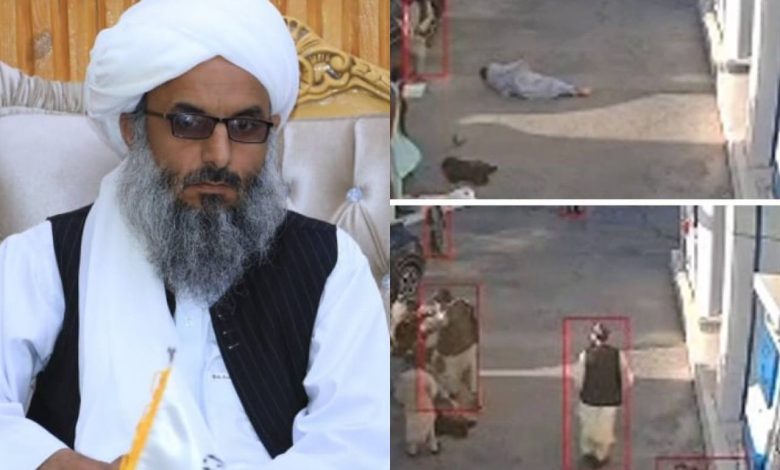
Sources say that after Abdul Qadir Pahlawanzada was shot dead in Pashtun Zarghun district of Herat, the Taliban administration tried to distance itself from responsibility for the incident and portray it as driven by personal motives.
According to the sources, Nooruddin Islamjar, the Taliban governor in Herat, contacted Abdul Qadir’s family and claimed that the killing had a personal basis and should not have been attributed to the Taliban administration. The sources told 8am newspaper on Monday, 16 Sunbula, that the Taliban governor described the incident as a reaction to a killing that took place a year earlier.
The sources did not provide details about the identity of the person who was killed a year ago. However, they said the head of the Taliban governor’s office is the uncle of the person who shot Abdul Qadir.
According to the sources, Abdul Qadir had no personal enemies and had not previously been summoned or arrested by the Taliban administration on any charges. This account raises serious questions about the Taliban officials’ claim that the motive for the killing was personal.
Abdul Qadir Pahlawanzada was shot dead last Friday by the Taliban administration’s police chief in Pashtun Zarghun district and his accompanying men, in full view of the public and while his hands were tied. Pashtun Zarghun is one of the districts of Herat province in western Afghanistan.