Winter Hunger Crisis Intensifies in Afghanistan Amid Severe Cold and Aid Shortfalls
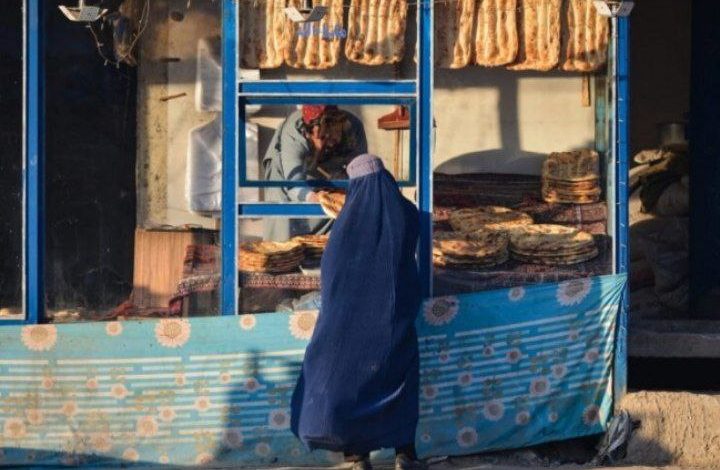
As severe cold, a dry winter, and a significant reduction in international aid converge, Afghanistan’s hunger crisis has entered a more alarming phase, with millions struggling to secure daily food. According to a Reuters report published in the early hours of Tuesday, January 20, the United Nations World Food Programme estimates that at least 17 million people in Afghanistan are grappling with acute hunger, a situation that directly threatens the lives of vulnerable families.
The report highlights that the widespread decline in foreign aid has played a crucial role in worsening conditions, severely weakening support networks that previously helped meet the food needs of the population. Humanitarian organizations have repeatedly warned that without stable funding, the capacity to respond effectively to this crisis will diminish.
Reuters also notes that the large-scale return of Afghans from Iran and Pakistan has further strained living conditions. Over the past year, more than 2.5 million people have returned to Afghanistan; many of these returnees used to support their families by sending remittances.
Within the country, the Taliban administration’s inability to establish a transparent mechanism for managing aid and addressing urgent needs has drawn criticism from civil society organizations and social activists. They emphasize that continuing this situation, especially during winter, could have irreversible humanitarian consequences.