Important NewsPoliticsTop Headline

UN Warns of Escalating Crises in Afghanistan Amid Drought, Migrant Return, and Aid Shortfalls

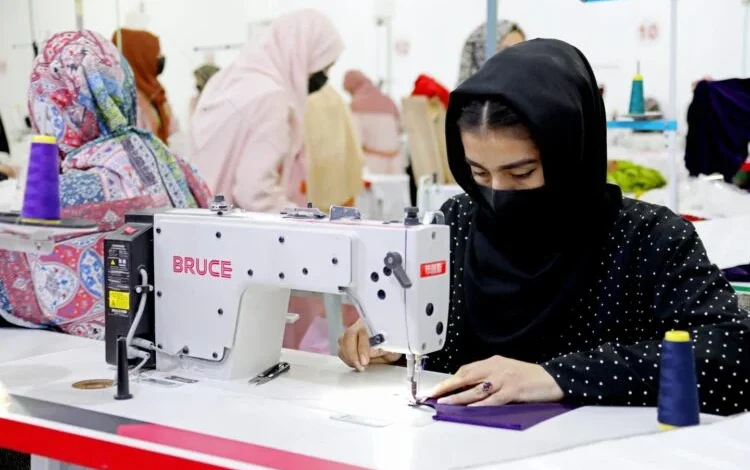
Indrika Ratwatte, the United Nations Humanitarian Coordinator in Afghanistan, has warned that the country is facing three major crises: drought, the return of migrants, and a decrease in international aid. In a video statement, Ratwatte explained that drought has affected 70 percent of Afghanistan’s population dependent on agriculture, severely damaging food security for citizens. Furthermore, he noted the return of 2.5 million migrants from Iran and Pakistan, alongside a global financial crisis that has sharply reduced human and development resources, as additional challenges confronting Afghanistan. The UN humanitarian coordinator emphasized that only 37 percent of the UN’s requested humanitarian aid for Afghanistan has been secured so far. Ratwatte added that 400 humanitarian health centers across the country have been closed, depriving over three million people of services. Additionally, 300 nutrition service centers have shut down, impacting more than 80,000 children, breastfeeding mothers, and others dependent on these programs. He expressed hope that by 2026 the United Nations will be able to create a favorable environment in Afghanistan, especially for girls and women, who constitute 50 percent of the population and can contribute to nation-building and saving communities. Ratwatte stated, “People are emphasizing the necessity of continuing programs in health, education, social protection, and livelihoods. These programs truly save lives. They ask us to sustain and, if possible, expand them because they change lives every day.” Meanwhile, the UN Office for the Coordination of Humanitarian Affairs (OCHA) previously reported that Afghanistan will face one of the world’s largest humanitarian crises in 2026. The agency highlighted that years of war, economic fragility, and inadequate investment in essential services have left large parts of Afghanistan’s population increasingly vulnerable. Findings show that these pressures are now exacerbated by food insecurity, mass migrant returns, climate change-induced drought, natural disasters, and the systemic exclusion of women and girls from public life. The report added that by 2026, nearly 21.9 million people, representing 45 percent of Afghanistan’s population, will require humanitarian assistance.

Related Articles

Leave a Reply

Your email address will not be published. Required fields are marked *

Back to top button