Taliban Official Says Global Order Is Changing, Small and Medium Powers Will Have Roles
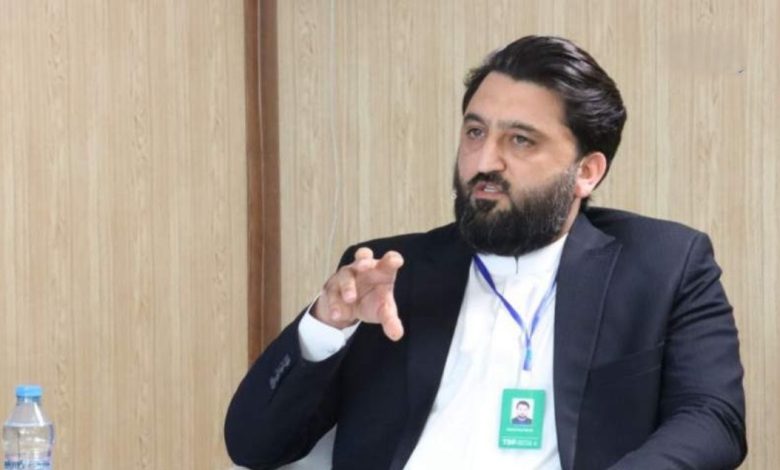
The head of the Strategic Research Center at the Taliban’s Ministry of Foreign Affairs says the global order is undergoing change, and in the new structure, not only major powers will make decisions, but medium and small countries will also play roles.
Abdulhai Qanat, referring to this transformation, emphasized that under the new global order, every country must engage simultaneously with multiple actors, and those nations that lag behind in this regard will become tools in the power struggles of others.
According to him, small countries must define common goals and mutual interests while considering their own benefits; a process Qanat believes is sensitive and complex, requiring a precise understanding of regional and global dynamics.
Qanat added that only those countries that properly study the situation and clearly delineate their borders of benefit and harm can maintain their position in this new structure.
Meanwhile, some political experts, considering recent relations among the United States, China, Russia, and other influential actors including North Korea and Iran, believe that Afghanistan cannot remain unaffected by the consequences of these developments.
These experts critically note that the Taliban administration has so far failed to fulfill its fundamental responsibilities both internationally and domestically and has not paved the way for the establishment of a national, legitimate, and inclusive system; a situation that, according to them, has kept Afghanistan in economic and political isolation.